

Workforce transition
In periods of restructuring, redundancy, and machinery-of-government change, attention naturally turns to budgets, functions, and workforce movement. Yet beneath these processes sits a less visible transition: the human experience of change. Increasingly, how agencies support employees through this moment is becoming a defining test of leadership, stewardship, and institutional trust. This article explores why transition support is not simply an HR obligation, but a core leadership responsibility tied to capability, morale, and the long-term health of public institutions.
One Foot in Front of the Other
In a time shaped by outrage, distraction, and uncertainty, this essay reflects on consistency, discipline, fatherhood, endurance, and the quiet practices that shape who we become. Through memories of winter runs, a 5,000 km walk across America, martial arts, and the struggle to embody the values we hope to pass on, it explores the uneasy relationship between commitment, suffering, leadership, and becoming the change we wish to see in the world.
The real limit to AI adoption
Artificial intelligence is often discussed as a technical transformation, yet the deeper challenge may be human rather than technological. Drawing on Aikido, George Leonard’s Mastery, the Cynefin framework, and leadership practice within complex systems, this essay explores why the real barrier to AI adoption is not a lack of tools or skills, but our relationship with learning itself. In a world where knowledge decays rapidly, organisations that thrive may not be those that know the most, but those most capable of continually returning to practice.
The half life of certainty
As artificial intelligence accelerates social and institutional change, governments face an increasingly difficult challenge: how do you regulate consequences that are not yet visible? Reflecting on the Collingridge dilemma, adaptive leadership, and the shrinking half-life of certainty, this essay explores the tension between capability, wisdom, and preparedness in an age of rapid technological transformation.

The light on the hill
During a solitary walk across America, exhausted and nearly out of money, I found shelter from a summer storm inside a small country church. Years later, I still think about the quiet generosity of that place… and what it might teach us about surviving together in divided times.
What to do when the work breaks
What do you do when the work you’ve invested in begins to break?
In complex systems, setbacks are not the exception… they are the pattern. This reflection explores how public servants can respond to disruption, loss, and institutional pressure without losing agency, purpose, or effectiveness.
Because the work doesn’t end when conditions change. It changes form.

The work of becoming
I’ve heard it said that the best time to start learning something is in the past, but failing that, the second best time to start learning something is now. And the more I see of the turmoils across the world, I know that there is so much more we can become, if we but learned the skills, and the micro-skills which we will need if we are to do so.
The work of leadership is not just to decide faster. It is to see more clearly… and to create the conditions where others can do so too.
The practice of Noticing
Leadership is often described in terms of vision, courage, or decisiveness. Yet before any of these qualities can be exercised, something more fundamental must occur: the ability to clearly perceive what is actually happening.
This reflection explores the discipline of noticing; the leadership capacity to recognise patterns, signals, and possibilities that others overlook.
For leaders navigating complexity, perceptual clarity may be one of the most valuable capabilities available.
Facilitation as a practice
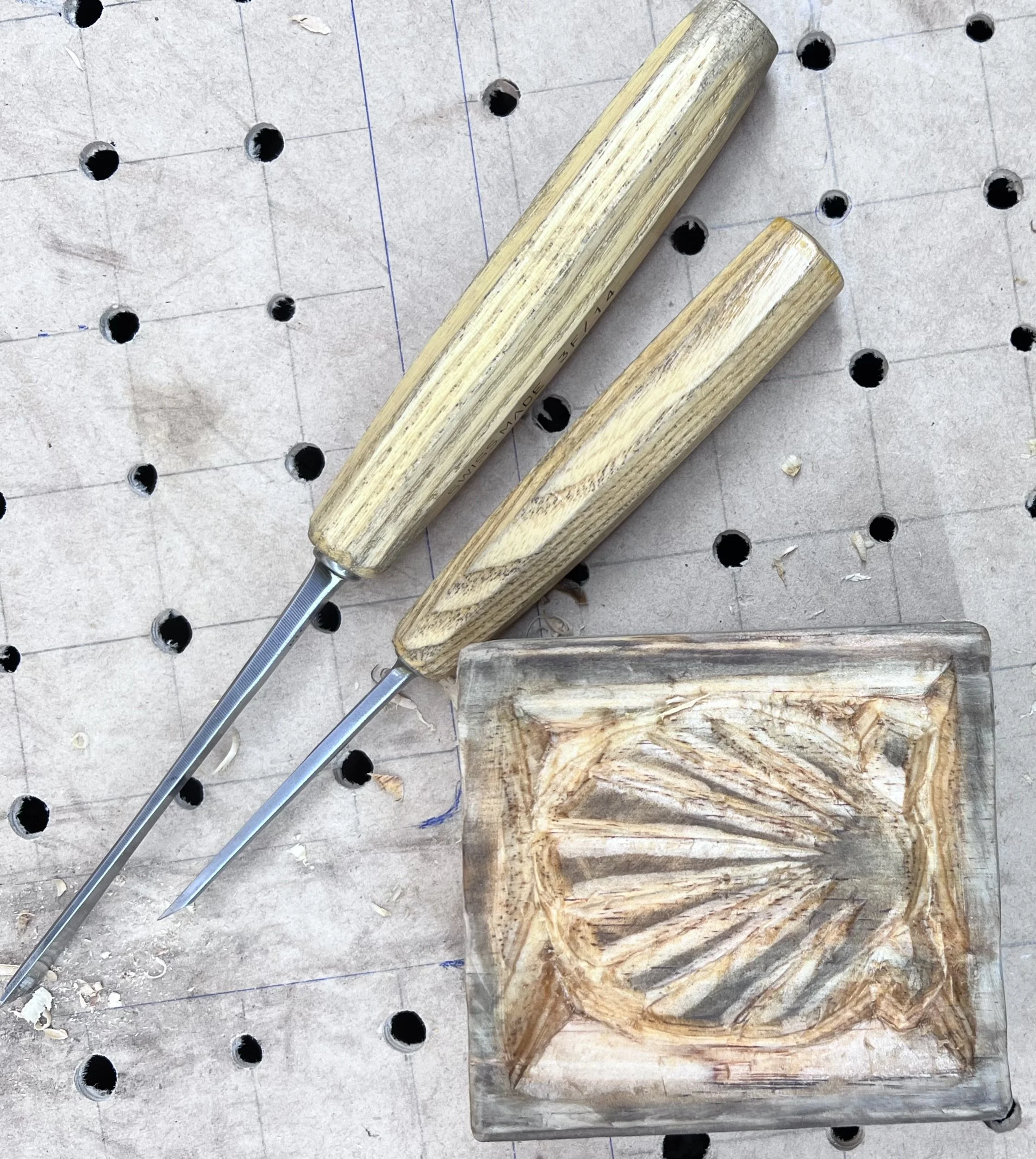
Facilitation is not just a role or a set of techniques. It is a practice that demands self-awareness, embodied presence, and ethical stewardship… especially in moments of tension, conflict, and uncertainty.

The courage to become
Sometimes it is the small, ordinary things that hold us steady as we become who we are.
This is a story about a handmade cup, a potter’s studio, and the quiet courage it takes to name an identity before it feels complete.
Art as a path to insight
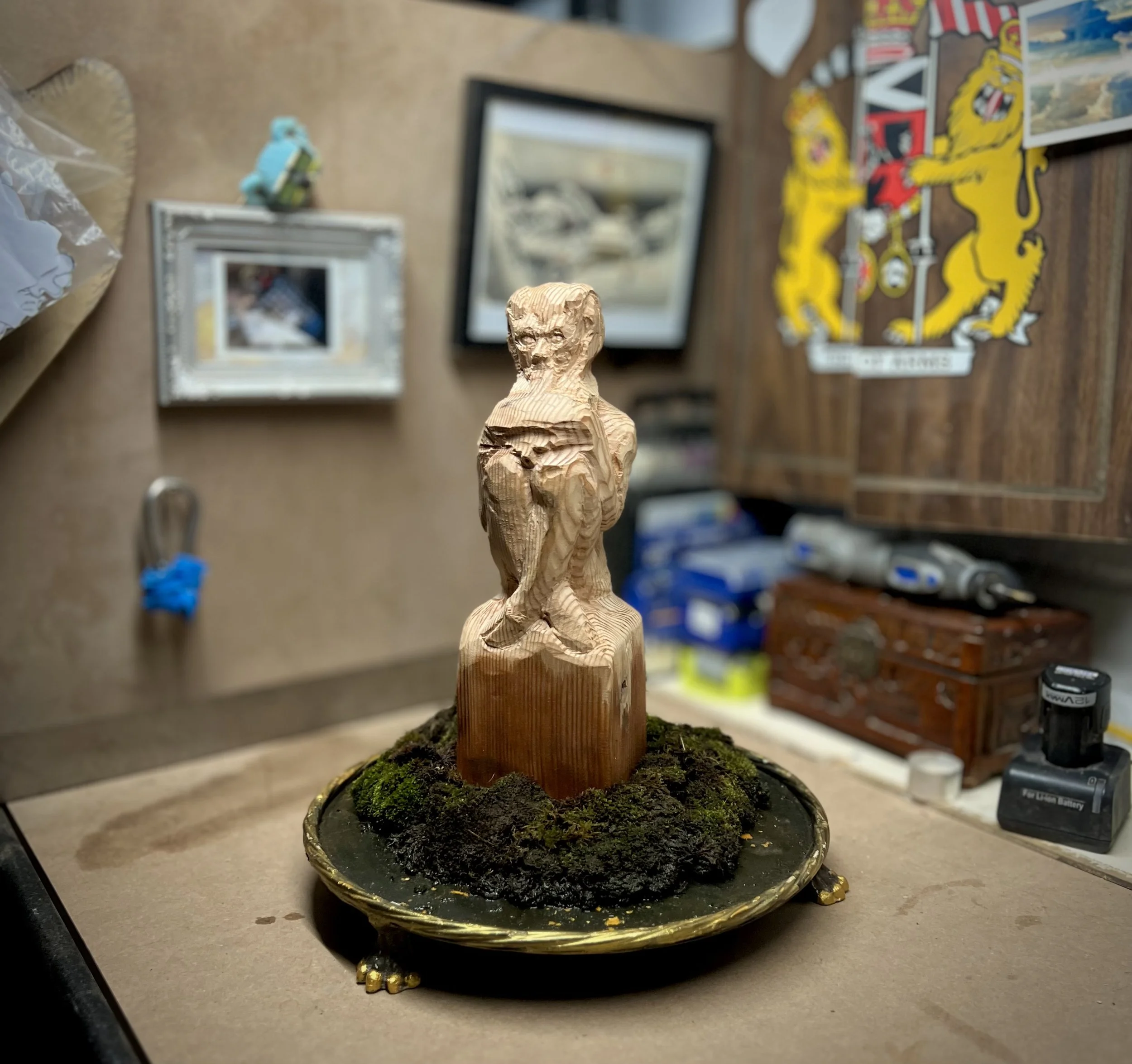
Art is not only a form of expression. I tis a disciplined practice of awareness. Through sculpting, I’ve been reminded that learning to see clearly… without assumption or distortion… is a skill that shapes not only art, but leadership, relationships, and how we show up when things matter.

The 47% problem
Many senior leaders feel there’s “more” available to them… but struggle to access it. This post explores why presence matters, and how awareness can be trained.
Truly innovative collaboration
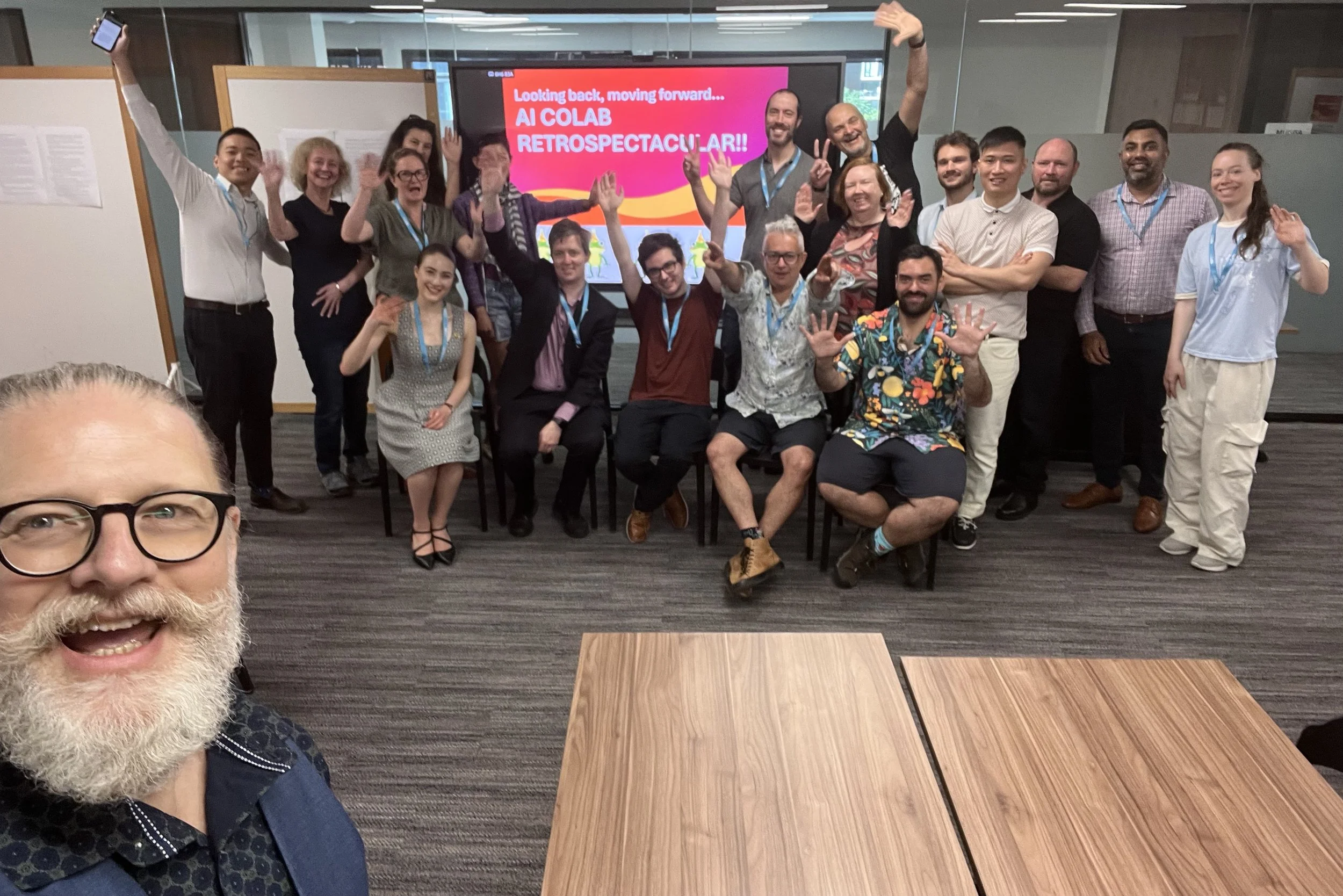
What I witnessed when attending an AI Collaborative Lab, (AI CoLab) was something more than just technology, it was instructive — a living example of how human capability develops when people are given permission to think, learn, and work together under uncertainty.
Drawing on a year-in-review session, this reflection explores why the CoLab works: diversity of perspective, shared experience, low ego, and a values-driven focus on public purpose. The deeper lesson is not about AI itself, but about collaboration — and what becomes possible when learning, trust, and purpose come first in complex public systems.
Learning what can not be taught
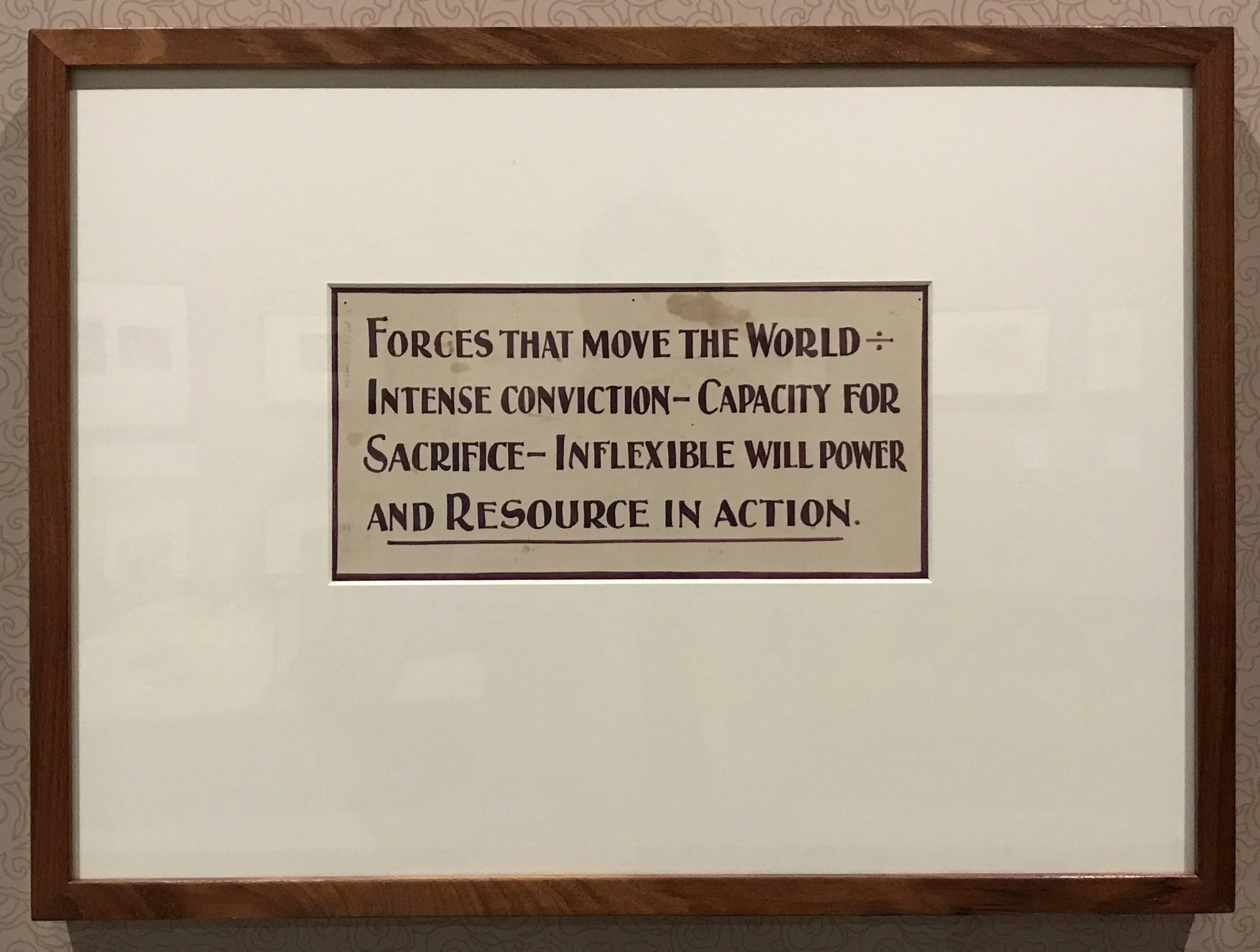
Most leadership development assumes that exposure equals learning and insight equals change. It doesn’t.
Real learning requires humility—the willingness to be changed by practice, feedback, and failure. Drawing on mastery, Aikido, contemplative practice, and leadership theory, this essay explores why what matters most in leadership cannot be taught, only learned. If we are serious about developing leaders who can collaborate and act wisely in complexity, we must design experiences that cultivate humility, not just competence.
Artificial Intelligence in ART
As AI enters the writing process, questions of craft, authorship, and responsibility matter more than ever. This essay explores the practical realities of using AI as a writing tool, and what conscious writers and editors can do to preserve voice, agency, and meaning.
Communities of practice
Communities of Practice thrive when practitioners are trusted to learn together. Drawing on facilitation experience, theory, and APS practice, this piece explores why CoPs succeed only when they are lightly held, not tightly governed.
The real risk in capability work
Most organisations assume that reaching more people creates more impact. The evidence says otherwise. Real capability grows through trust, reflection, discomfort and practice, not mass exposure. This piece explores why depth outpaces scale and how leaders can design learning that genuinely shifts behaviour.
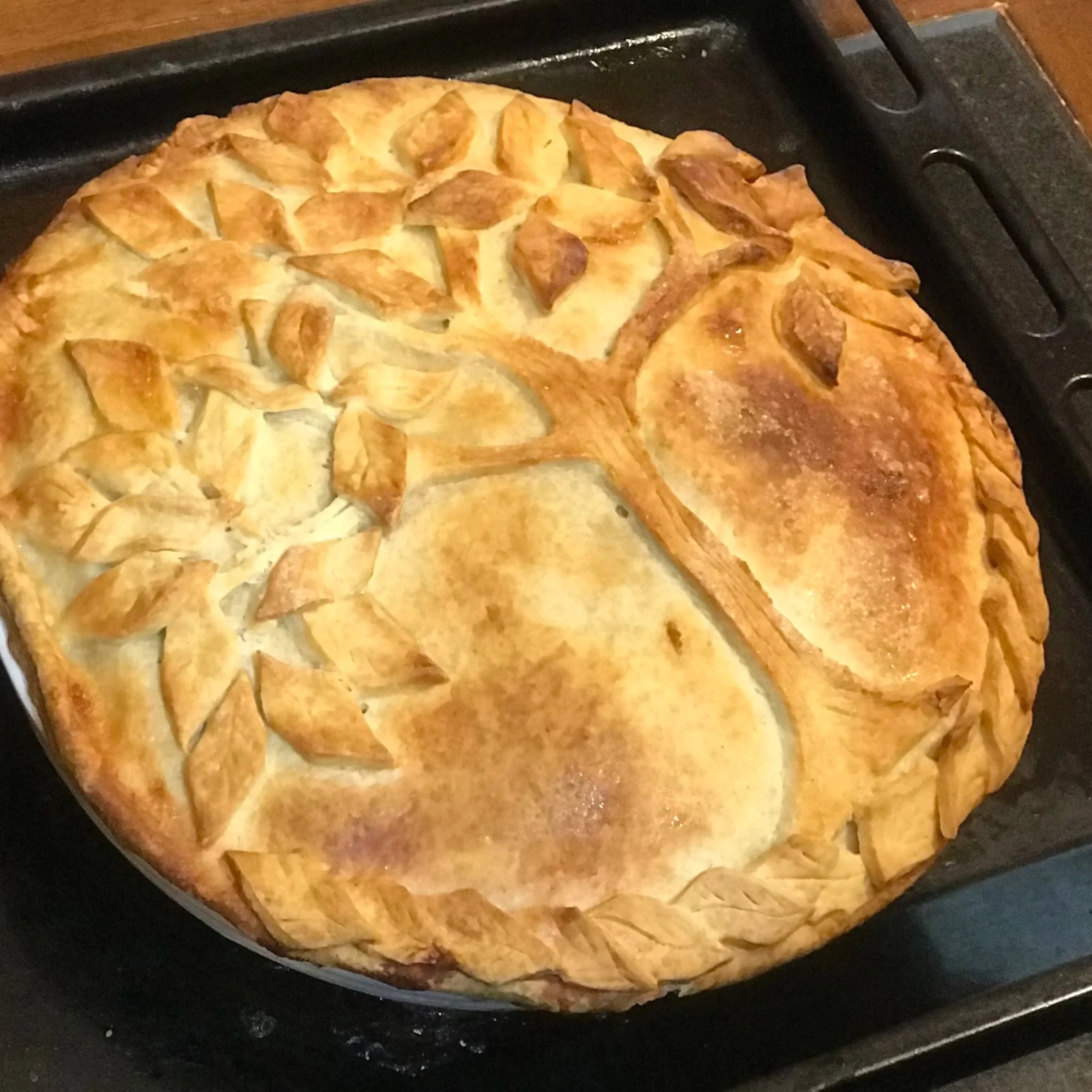
Thanksgiving
Thanksgiving isn’t just a story about the past… it’s a living practice of welcome. This reflection weaves art, ancestry, and a hand-carved wooden bowl into a reminder that our greatest inheritance is the choice to share what we have. It’s an invitation to honour the generosity that once shaped America by offering it forward, one small act of welcome at a time.
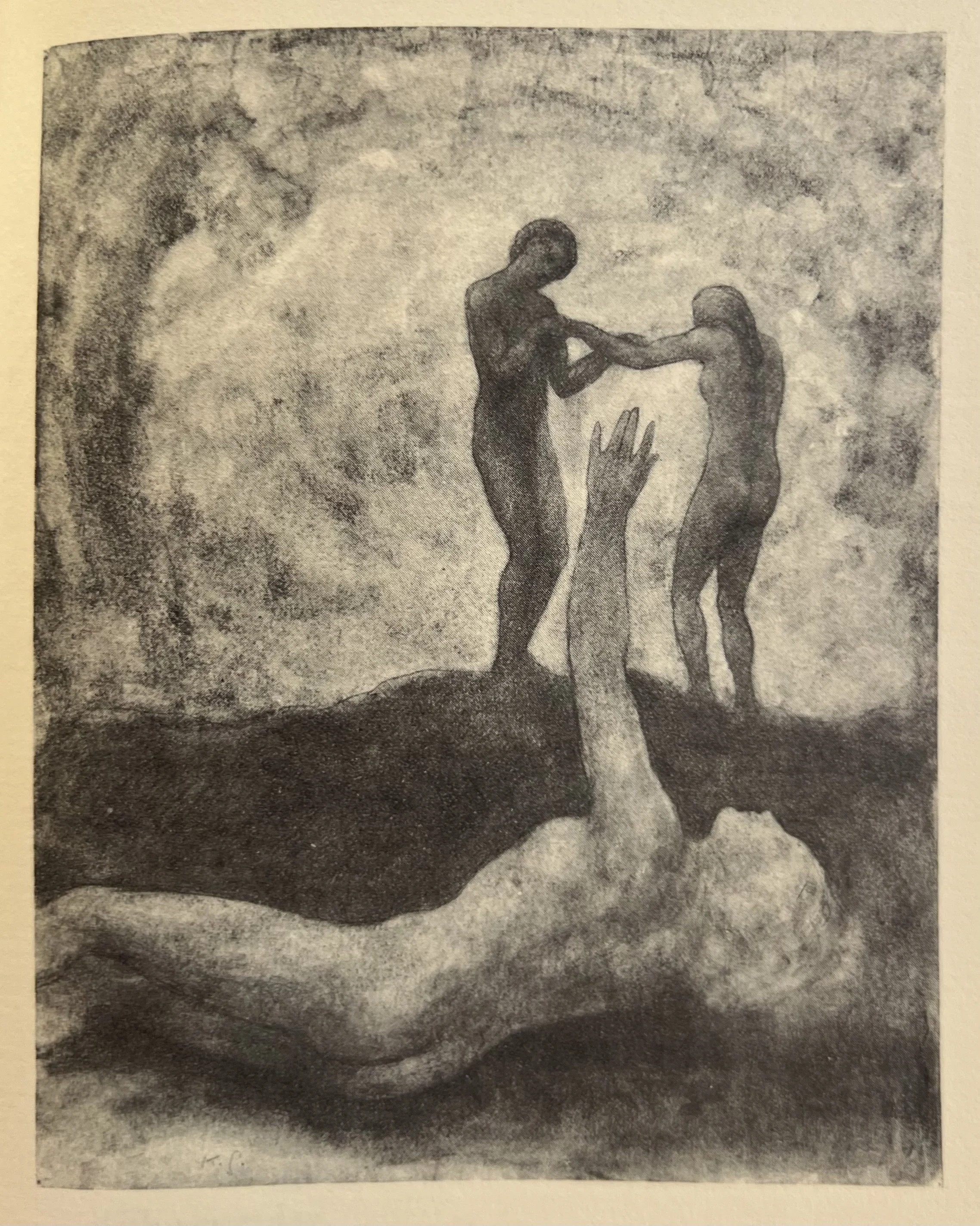
Reaching across difference
True leadership and connection begin with listening. Reaching Across Difference reflects on how courage, humility, and daily acts of service help us dissolve fear, build trust, and foster community.
Drawing inspiration from lived experience, a variety of traditions, and servant leaders like Zohran Mamdani, it invites readers to practice empathy and bridge divides.
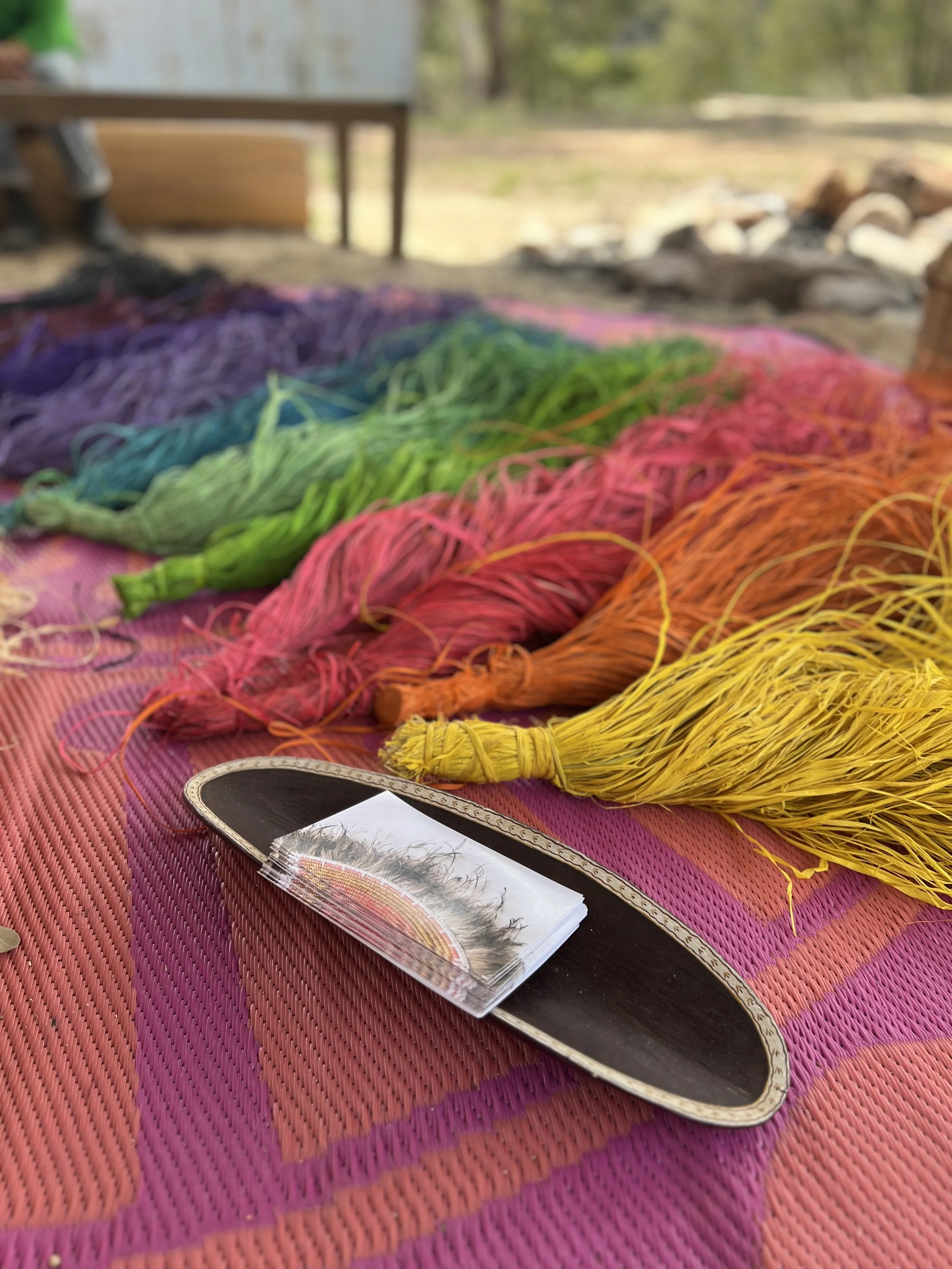
Weaving connection
Effective policy and leadership depend on genuine connection… not just consultation.
Spending a day with the Corroboree Group reminded me that listening to community isn’t a courtesy; it’s the foundation of systems that work. When we slow down to learn from Indigenous colleagues and communities, we rediscover that trust is the hidden infrastructure of good governance.