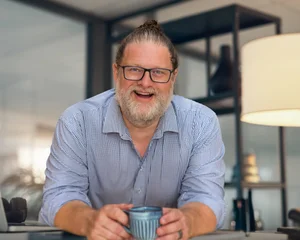
The practice of Noticing

‘Morning Sentinel’
The practice of noticing often begins with small observations. The rhythm of a neighbourhood, the patterns of birds, the signals that are always present if we pause long enough to notice them.
In this reflection I explore four connected ideas:
• Leadership requires the ability to notice what others might not yet see.
• Noticing is a skill that can be deliberately developed.
• Artistic and contemplative practices provide practical training for this capacity.
• Leaders who cultivate noticing strengthen their ability to lead in uncertain environments.
Leadership, Perception, and the Discipline of Seeing Clearly

‘Finding the discipline to See the unknown’
Photo by Insightful Path
Without building the ability to notice clearly, leaders risk missing the distinguishing capability that allows thoughtful leadership in uncertain environments.
Leadership is often described in terms of vision, courage, or decisiveness. Yet before any of those qualities can be exercised meaningfully, something more subtle must occur first: the ability to see what is actually happening.
Noticing.
Noticing requires us to dissolve some of our own biases and blindnesses. It requires a willingness to see patterns that challenge our assumptions, and to accept signals that might contradict the story we have been telling ourselves about our organisation, our teams, or even our own identity as leaders.
Across the past few months I have been deliberately practicing this skill… the simple act of noticing more carefully. Of paying attention, not to what I think is important, but to widening the field of vision to what is actually happening before my filters begin narrowing it again.
Sometimes that practice happens during early morning runs through the neighbourhood. Sometimes it happens standing at a workbench carving stone.
These activities are not the point of the practice, but they reveal something important: noticing is not accidental.
It is a discipline.
And it is one of the most practical capabilities a leader can develop.
Noticing is a skill that can be developed
Take the time to notice… to simply broaden the field of what warrants noting in your life. Too often, driven by the demands of a busy life, we’ve fallen into habits that insist on us doing… something. On being active, on being distracted by this activity so that we do not need to feel the insecurity of the narrative around all of those things we do not want to admit we see, and mayn’t have the courage yet to act upon.
When people don’t ‘notice’ things, it is not that they are consciously choosing to spend their time elsewhere, it is because they’ve grown skilled at the practice of avoidance and building mental shortcuts to enable them to continue regardless.
The solution is to step into noticing without committing yourself to action. Simply notice what you can bring your awareness to… as this, like any skill, can be strengthened through deliberate practice.

‘The 47% Problem’ - A post exploring how to build leadership presence.
Many senior public servants I work with describe a persistent experience.
They are operating competently (often admirably) yet they sense they are not fully present to their own leadership. The challenges they face are not mainly because of their lack of time, but more about their ability to hold complexity, perceive emerging patterns, and remain attentive amid competing pressures.
In short, they have to find ways to incorporate the practice of their skills of noticing, skills which are required to cultivate perception.
Mindfulness traditions recognise noticing as the first stage of awareness. Before we react, before we decide, before we speak, there is a moment in which we simply see what is present.
This is something I explored in an earlier reflection on what I called the “47 percent problem.”

‘Finding stillness in the storm’
…how the tools of mindfulness can be integrated into leadership development
Awareness precedes wise action
Across many contemplative traditions there is a simple insight:
Awareness precedes wise action
Before we decide, before we react, before we speak… there is a moment in which we first perceive what is present. Training the mind to recognise this moment can be transformative.
One practical pathway for developing this capacity is mindfulness training. Through practices such as Mindfulness-Based Stress Reduction (MBSR), leaders begin to recognise how attention shapes perception… and how perception shapes action.
Over time, this training develops a simple, but powerful capacity:
The ability to notice what is actually occurring before reacting automatically.
In leadership environments, where urgency and pressure dominate, that distinction become critically important.
For those interested in exploring this further, I wrote previously about how mindfulness practices can help leaders develop clarity under pressure in ‘Finding stillness in the storm’
Training the Skill of Noticing
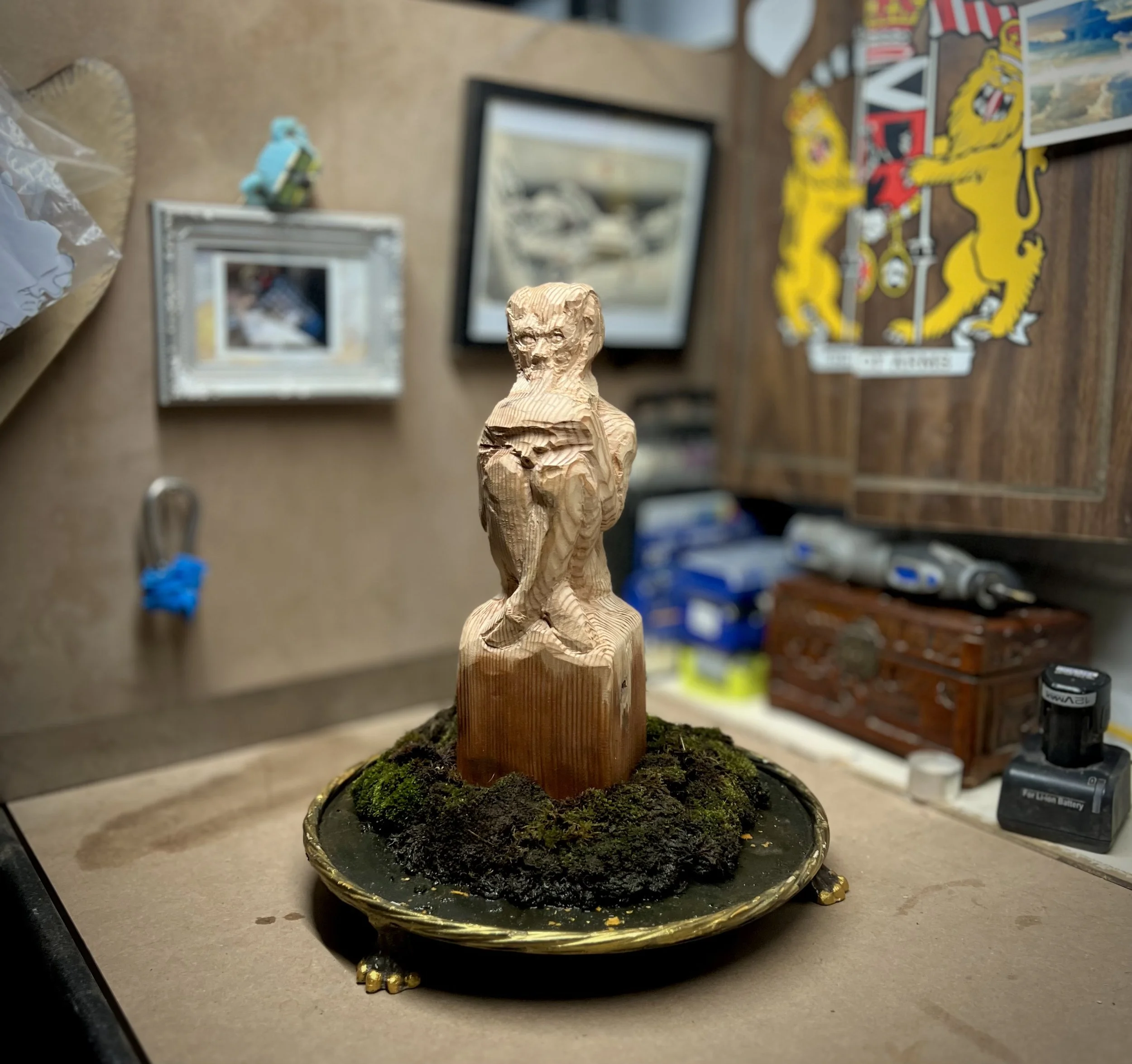
‘Art as a path to Insight’
A post how to develop an artistic discipline to your building of awareness
One of the most practical ways to develop perceptual skill is through developing the ability to ‘see as an artist sees’.
Artists, craftspeople, and makers must constantly attend to subtle changes in materials and process. Their work depends on noticing details that others might overlook. This might take many forms. A baker learning to recognise when the dough had developed the elasticity required to create the required structure. A woodworker reading the direction of grain before a blade touches the surface. A photographer seeing the shift in light moments before others notice the possibility that that light will create.
The same principles apply in stone carving. Through repeated engagement with materials, practitioners begin to perceive patterns that were previously invisible.
The material becomes a teacher.
Small changes in texture, colour, resistance, or shape become signals guiding the next action.
Artistic practice therefore becomes a training ground for cultivating attention.
This relationship between attention and creation is something I explored further in Art as a Path to Insight.
The lesson extends beyond craft.
The process of noticing possibilities within materials mirrors the leadership skill of recognising potential within people and systems. What appears at first to be a discarded piece of stone may hold unexpected possibilities. The same is often true of ideas, teams, and institutions.
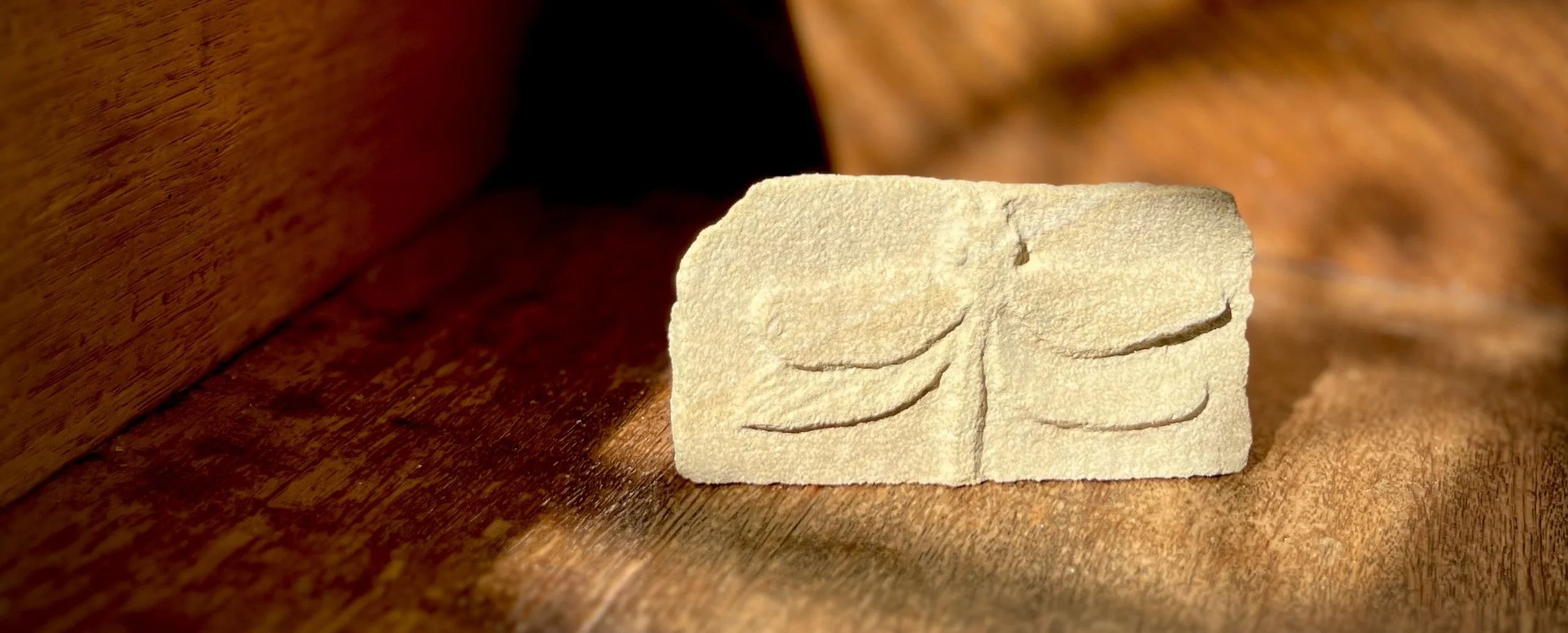
‘Noticing what resonates’
Sandstone dragonfly
The Artists’ Woodshed Studio Retreat
Cultivating Noticing Strengthens Leadership in Uncertain Times
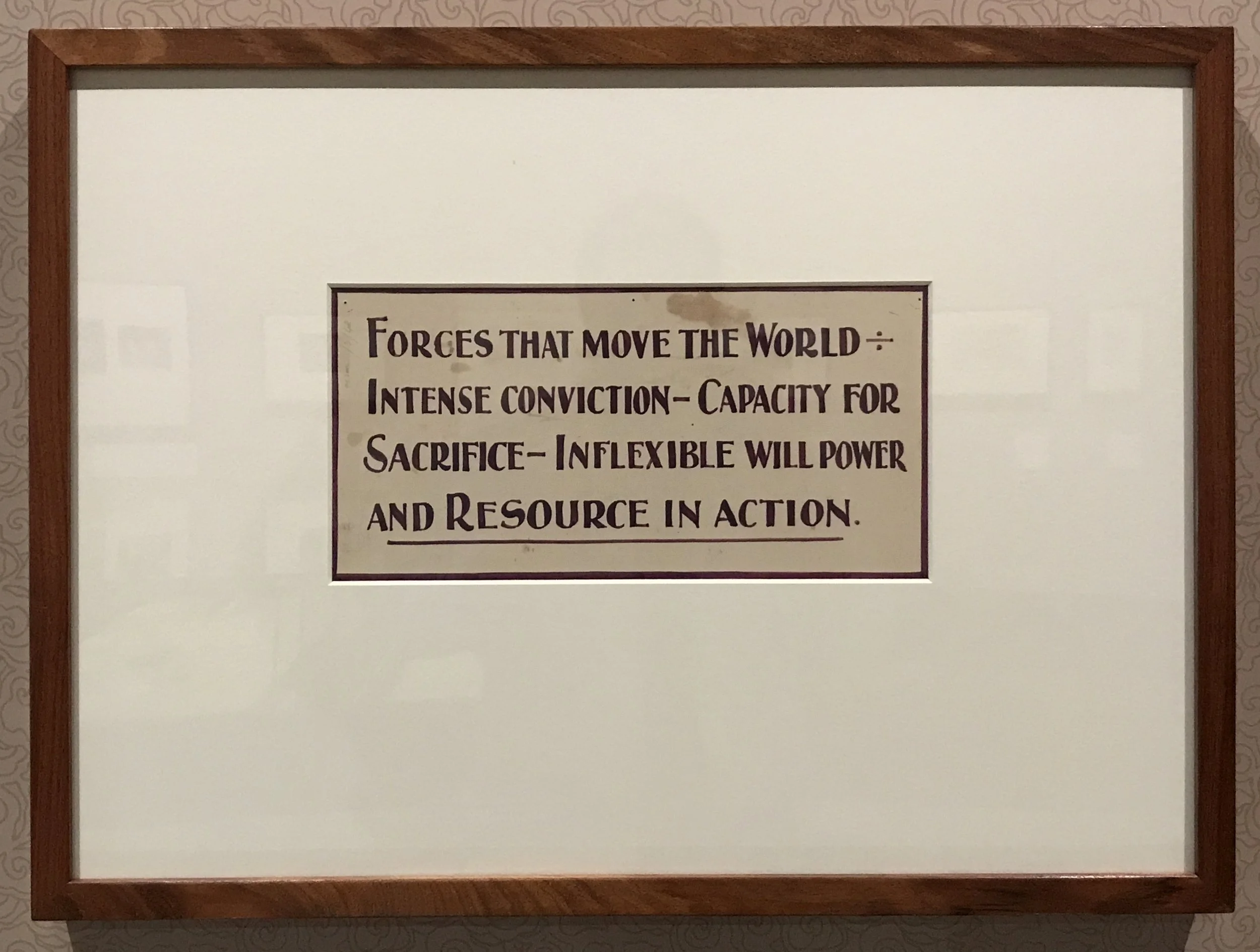
‘Learning what can not be taught’
A post on how to be changed by practice and what matters most in leadership development.
The need for perceptual leadership is becoming increasingly urgent.
Institutions across the world are navigating increasing uncertainty: rapid technological change, the rise of artificial intelligence, growing concentrations of economic and political power, and shifting public expectations of government.
These conditions demand leaders who can recognise emerging patterns rather than relying solely on established processes.
Leaders who cultivate the discipline of noticing are better able to detect opportunity, misalignment, and risk early.
Developing practices that train perception — artistic, contemplative, or physical — strengthens this leadership capacity.
In a previous reflection on humility and leadership, I explored the idea that some forms of learning cannot be transmitted through instruction alone.
They must be experienced.
Practices that slow us down and deepen attention help cultivate the perceptual awareness required to navigate complex environments.
This perspective aligns with the recent APS integrity report Louder Than Words, which emphasised the importance of supporting leaders to respond with curiosity, empathy, and openness rather than defensiveness. I recently wrote a post on this, and the importance of developing leaders to respond with curiosity, empathy, and without defensiveness, if you are interested in further reading.
Curiosity begins with noticing.
Empathy requires noticing.
And responding without defensiveness requires noticing what is actually occurring before reacting.
A Practice for Leaders
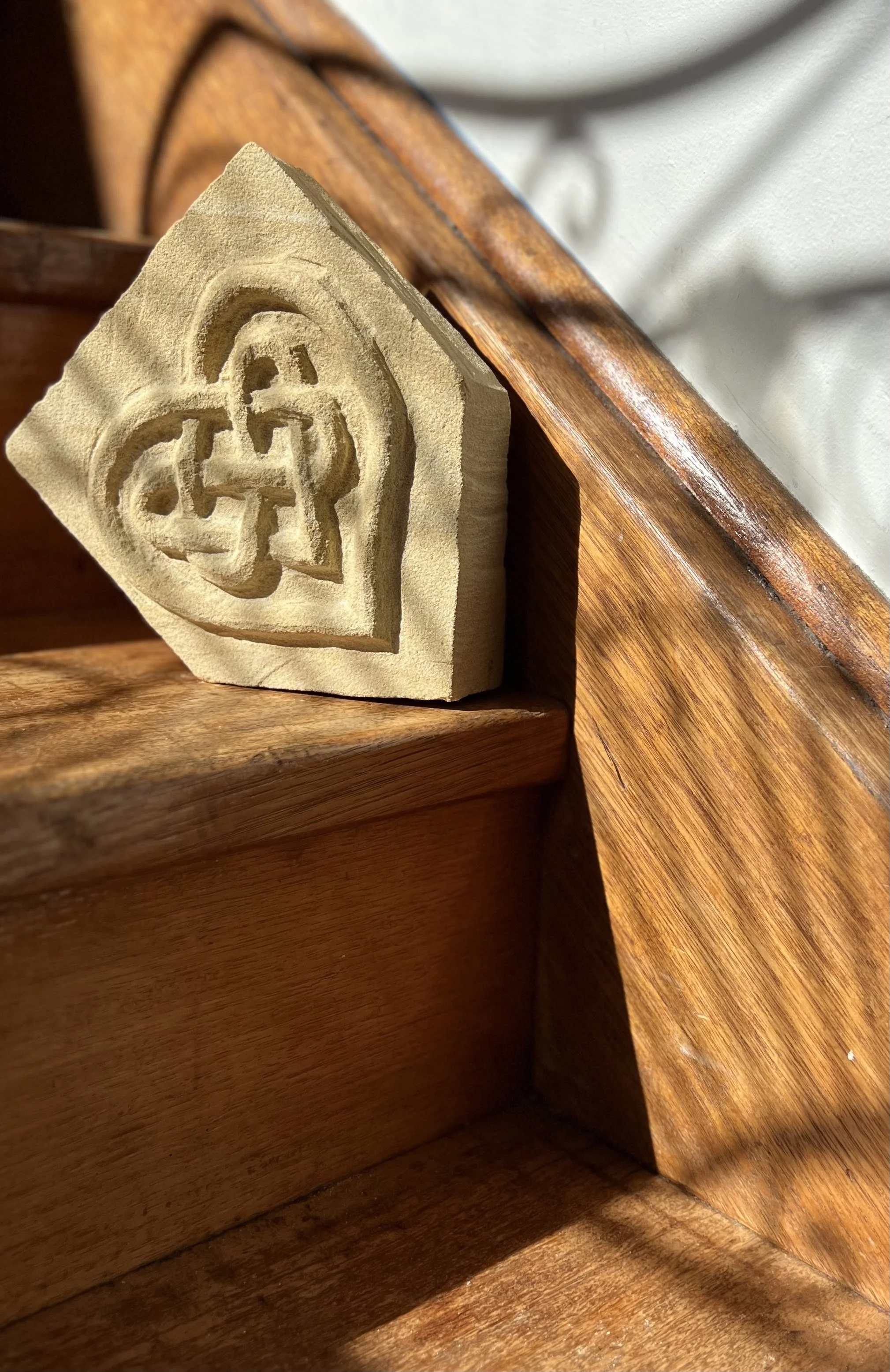
‘Clarity emerging from attention’
When we slow down enough to notice what is present, new forms being to emerge… sometimes unexpectedly.
Leaders who wish to improve their decision-making should deliberately cultivate practices that sharpen their ability to notice.
These practices need not be grand.
They might include:
time spent observing rather than immediately reacting
artistic pursuits that require sustained attention
contemplative disciplines that develop awareness
physical practices that train perception and balance
Over time, these habits strengthen a leader’s ability to perceive the subtle signals that shape organisations and communities.
And in uncertain environments, that perceptual clarity becomes one of the most valuable leadership capabilities available.
Importantly, the aim is not withdrawal from leadership activity, but refinement of perception within it. The more complex an environment becomes, the more valuable it is for leaders to develop the capacity to pause briefly, widen their field of awareness, and observe what is unfolding across multiple levels (people, systems, incentives, and culture).
Developing clarity
If you are interested in developing this capacity in your own leadership practice, I work with public sector leaders to strengthen the skills of perception, reflection, and deliberate action.
You can learn more about that work through the reflections on this site, or reach out if you would like to begin that conversation with me on the insightful path. For many leaders, this work becomes less about acquiring new knowledge and more about refining perception: learning how to see situations, systems, and relationships with greater depth and less distortion. From that clearer view, more thoughtful action becomes possible.