Facilitation as a practice
Serving the group, not the self
Embodied wisdom, self-practice, and the ethics of stewardship
Stepping toward the heat
I remember a moment early in my facilitation life when two participants were in open conflict. Voices were raised. The emotional temperature in the room had climbed sharply, and others were starting to notice and watch with anticipation, wondering what would happen. I knew at the time that this moment was an important one for the outcomes of the day. I intuitively also knew that ‘how’ I played my role in this conflict would really matter for all involved.
And, perhaps because of this, I noticed something within me jump up, a felt urgency to intervene. It was a familiar pull: step in, put out the fire, solve the conflict, and work to move the group forward. That reflex (quick, competent, well-intentioned) had served me well many times before. Especially in contexts where things needed to get done.
However, in this facilitation, I was caught between this and something else I was noticing.
One of the participants, the one “receiving” the majority of the aggression, was not becoming defensive. This participant was listening. Summarising. They seemed to be consciously measuring their breathing, and while both people were heated, neither were ‘flooded’. Whatever was happening was important, and was ‘alive’ with learning. For them. And, without a doubt, for me.
So I stayed close. I didn’t interrupt. I watched. I trusted.
And, whether because they were allowed to find a resolution themselves, or because they sensed my presence and respectful observation, they arrived at an understanding of their own making.
However, this resolution, I believe, could have easily been derailed. It could have also negatively impacted not only any resolution I came up with, but also the trust in the workshop. If I had ‘solved’ or ‘de-escalated’ the conflict then, for the participants, I could have disempowered them, and broken the trust - in me as an impartial steward of the process, as well as in themselves for their own ability to resolved their conflicts. That moment reinforced for me a fundamental element of facilitation. It is not merely a role, but is also a practice.
Facilitation is more than technique
Frameworks are not the work
Facilitators are often seen as people who are experienced in specific collaborative processes so as to help others follow them. And while I don’t disagree with this, I also think that this definition does not go far enough. There are missing elements of emphasis, with which the definition can be more instructive.
In my mind, the best facilitators have been people who can effectively steward groups and processes to think, feel, and act collaboratively toward an understood and agreed upon goal (even if that is to determine what are our goals?).
The effectiveness of facilitators is heavily influenced (whether we admit it or not) by the skill we’ve developed in understanding our inner world. How we think, feel, and act under pressure.
The point is this: we can only discern when a group needs expansion (new ideas, new voices, more possibility) or narrowing (focus, convergence, decision) if we are not tangled in our own triggers. If we can be responsive to the stream of incoming data rather than unconsciously reactive to what this triggers inside of us.
The skill is in discerning what the moment requires, and not confusing that with what would make us feel safer, more competent, or more in control. That discernment rests on knowing ourselves well enough to notice what is arising within us, without being run by it.
Self-protection and what keeps us on the path
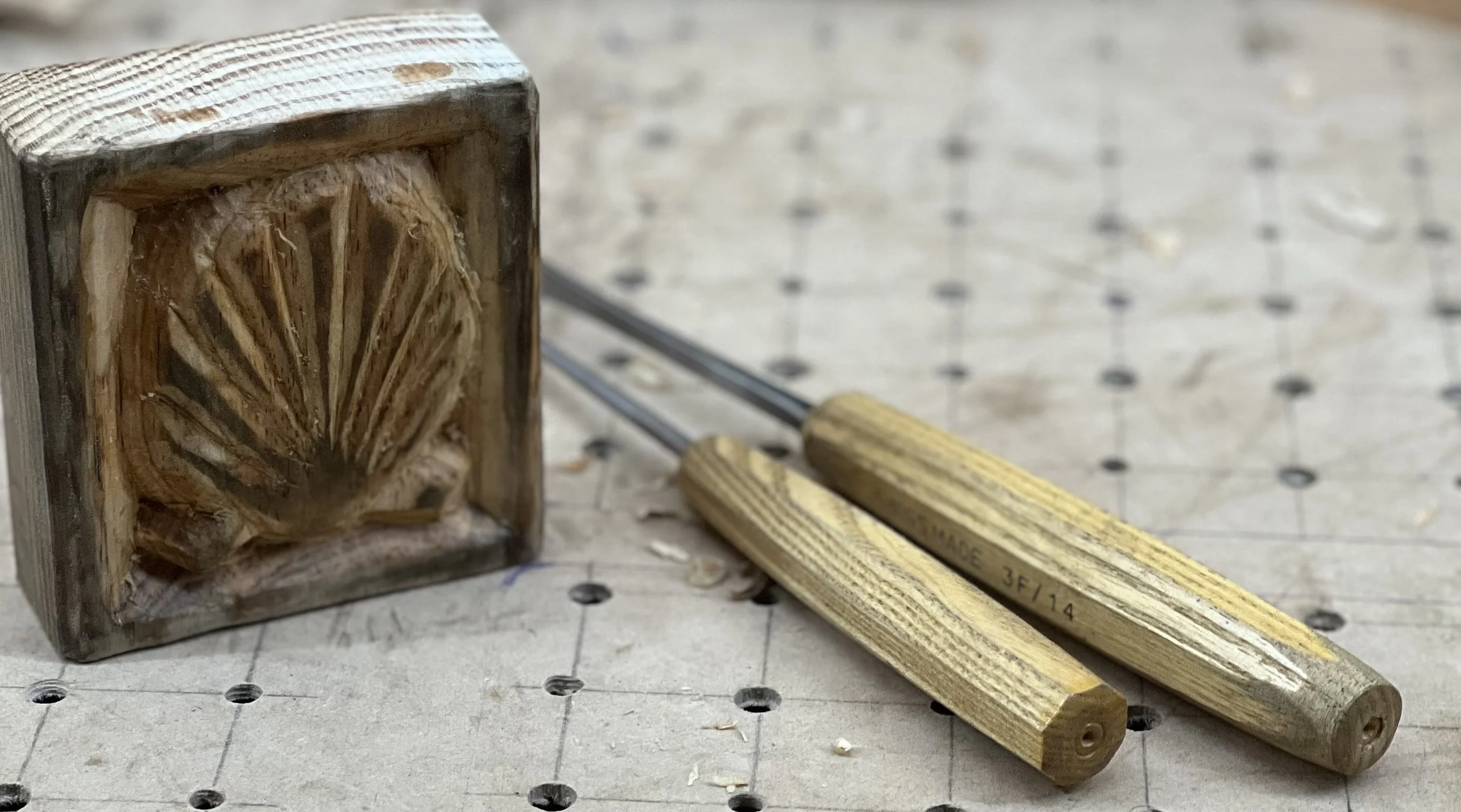
Markers that keep us on the path
The impulse to protect the self (reputation, timeframes, authority, belonging) is normal for facilitators and leaders alike. They, in and of themselves, are not bad things. They work to keep us safe. It helps us to belong. It helps us to perform. It helps us to survive. In facilitation, we sometimes can react to an urge to protect by:
staying tightly bound to time (even if something essential is trying to surface)
deferring reflexively to a sponsor’s unspoken agenda
managing the room to preserve authority or likability
using tools to ‘regain control’ rather than to serve the work
None of this is inherently wrong.
It becomes limiting when it is unconscious.
Unconscious self-protection is subtle, and rarely announces itself. More often, it merely influences the observations you make with a value laden judgement and can sound like, ‘we don’t have time for this’, or ‘this isn’t what the sponsor asked for’. In those moments, it easy to just ‘buy into’ your emotional state and to ‘choose’ a direction from an automatic reactive state. And automatic choices, however well-intentioned, slowly erode the conditions for responsiveness.
When a facilitator is subtly defending something (their competence, their reputation, their sense of being needed) the group feels it. Sometimes they submit to it. Sometimes they resist it. Either way, the group’s collective intelligence narrows, not because narrowing was required, but because fear took the wheel.
At that point, the facilitator stops being a steward. Yet there is a simple practice I’ve learned that helps mark the path: pausing long enough to ask yourself Who is this action in service of?
Technique without self-practice: an ethical gap
This is where I want to be very clear.
Tools, frameworks, and techniques matter. They are part of the craft. But without a self-awareness practice, they are blunt instruments.
I’ve seen facilitators with excellent technique do quiet harm, not through malice, but through misattribution. They mistake success for skill alone. They miss what actually shifted the room. They over-apply a method across contexts where it no longer fits.
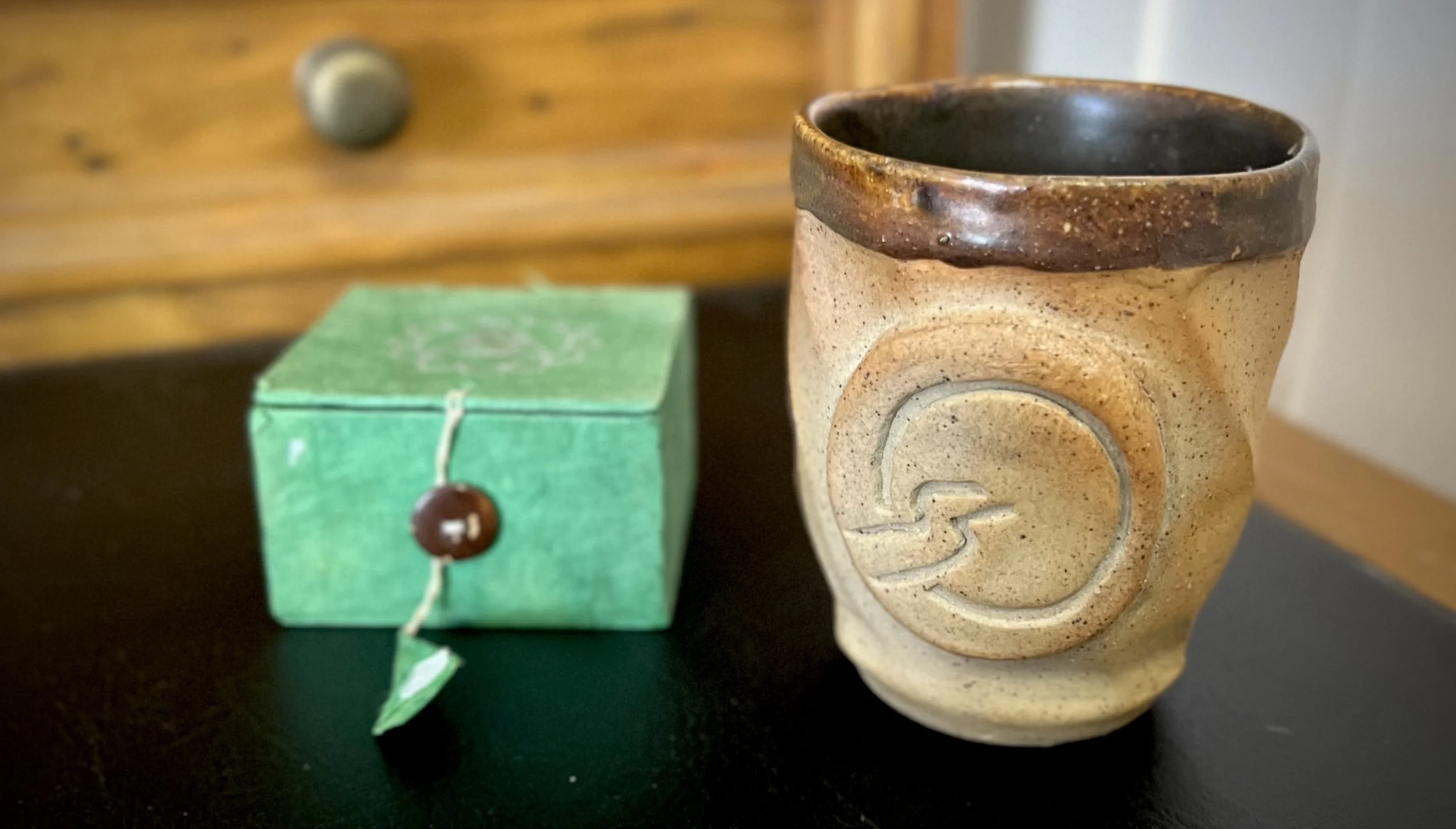
Rituals of self-practice
This is why voices like Saki Santorelli and Jon Kabat-Zinn have long insisted that those who teach mindfulness must practice mindfulness… not as self-care, but as ethical responsibility.
The depth of the work is limited by the depth of the practitioner. And the facilitative work that is being increasingly needed in our polarised world will require deep skills in working with identity, and thus facilitators who have worked deeply on their own.
Without self-practice, facilitators are more likely to:
react rather than respond
confuse certainty with clarity
mistake control for effectiveness
personalise outcomes that were actually collective achievements
Self-practice is not about becoming calmer or nicer. It is about becoming more available to reality as it is, rather than as we wish it to be.
Embodiment and responsiveness
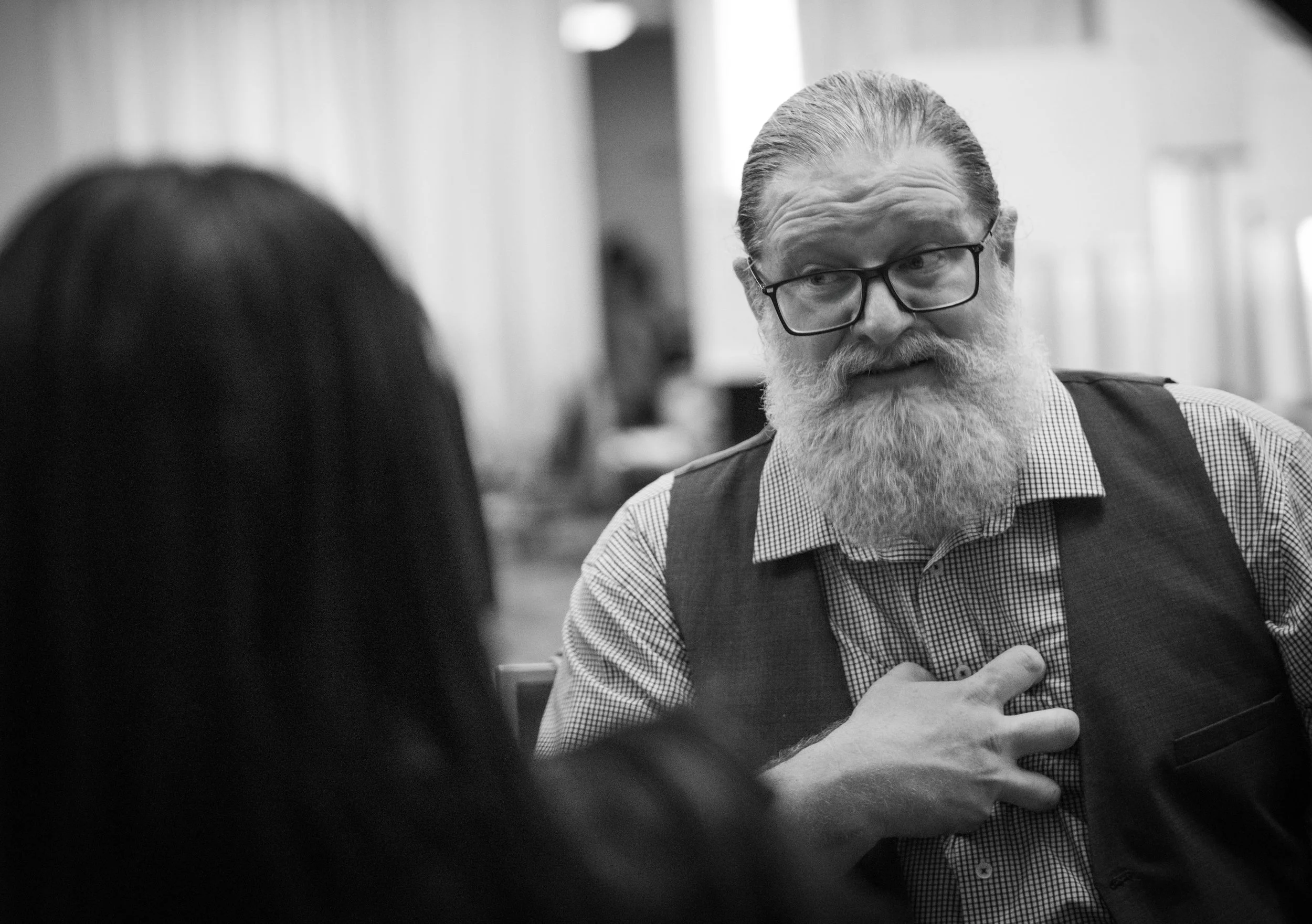
Feeling the craft of facilitation
Most of what matters on the path toward mastery in facilitation happens before we can name it.
A pause that feels alive rather than stalled.
A rise in heat that signals productive conflict, not danger.
The bodily sense that says, not yet… or now.
For me, the title of facilitator is best applied to those who can integrate of perception, presence, and context, in order to help others to collaborate.
I know that when I am consciously embodying that role, I am less reliant on anticipation. I am less seduced by performance. I am more capable of blending with what the group brings… adjusting in real time, guided by intention but not trapped by agenda.
This is responsiveness, not reactivity. Responsiveness preserves choice. Reactivity bypasses choice in favour of habit.
It is strength without rigidity.
The uncompromising principle
If I had to offer one principle to people who facilitate outcomes for others (including leaders of all sorts) it would be this:
You are a steward, not a saviour.
A servant, not a king.
A guide, not the way.
Facilitation, done well, is not a performance we perfect.
It is a path that works on us as much as we work with others.
And perhaps that is the deeper invitation of the role, to:
“let your facilitation practice become a practice of self-realisation, not in service of the self, but in service of our shared capacity to move together with wisdom.”