Artificial Intelligence in ART
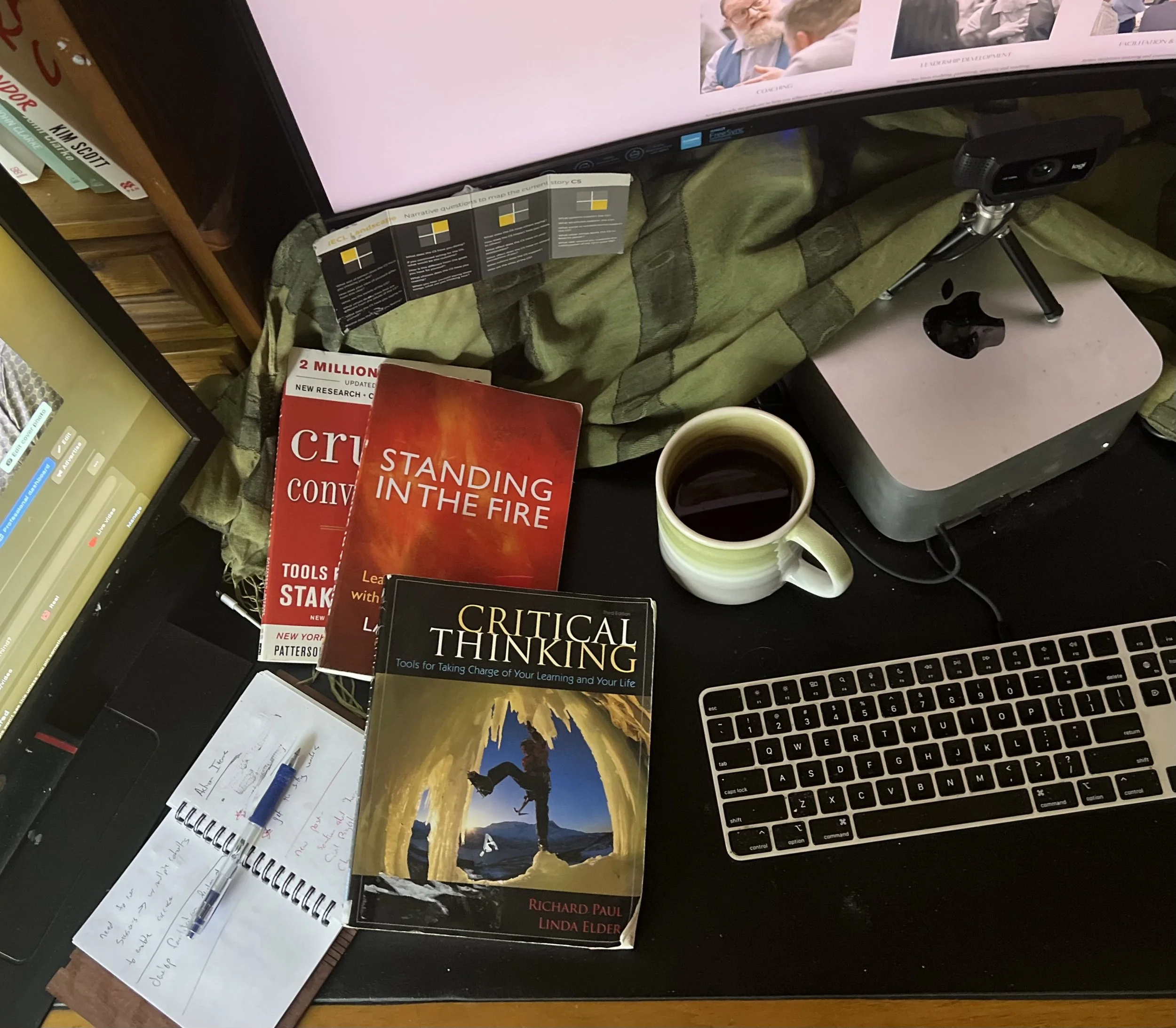
‘Craft and tools’
These are the realities worth holding
For many writers and editors who have spent a lifetime shaping thought by hand, the arrival of AI-assisted writing can feel less like innovation and more like erosion. Erosion of craft. Erosion of voice. Erosion of the long, quiet discipline through which an author becomes themselves on the page.
Those concerns are not misplaced.
This piece is not an argument in favour of AI-assisted authorship, nor an attempt to normalise its use through inevitability. It acknowledges that some writers are choosing to work with these tools, and that doing so responsibly requires a level of awareness equal to the risks involved.
If one chooses to use AI as a writing tool, assistant, or developmental support, there are practical realities worth holding, particularly where authorship, power, and identity are concerned.
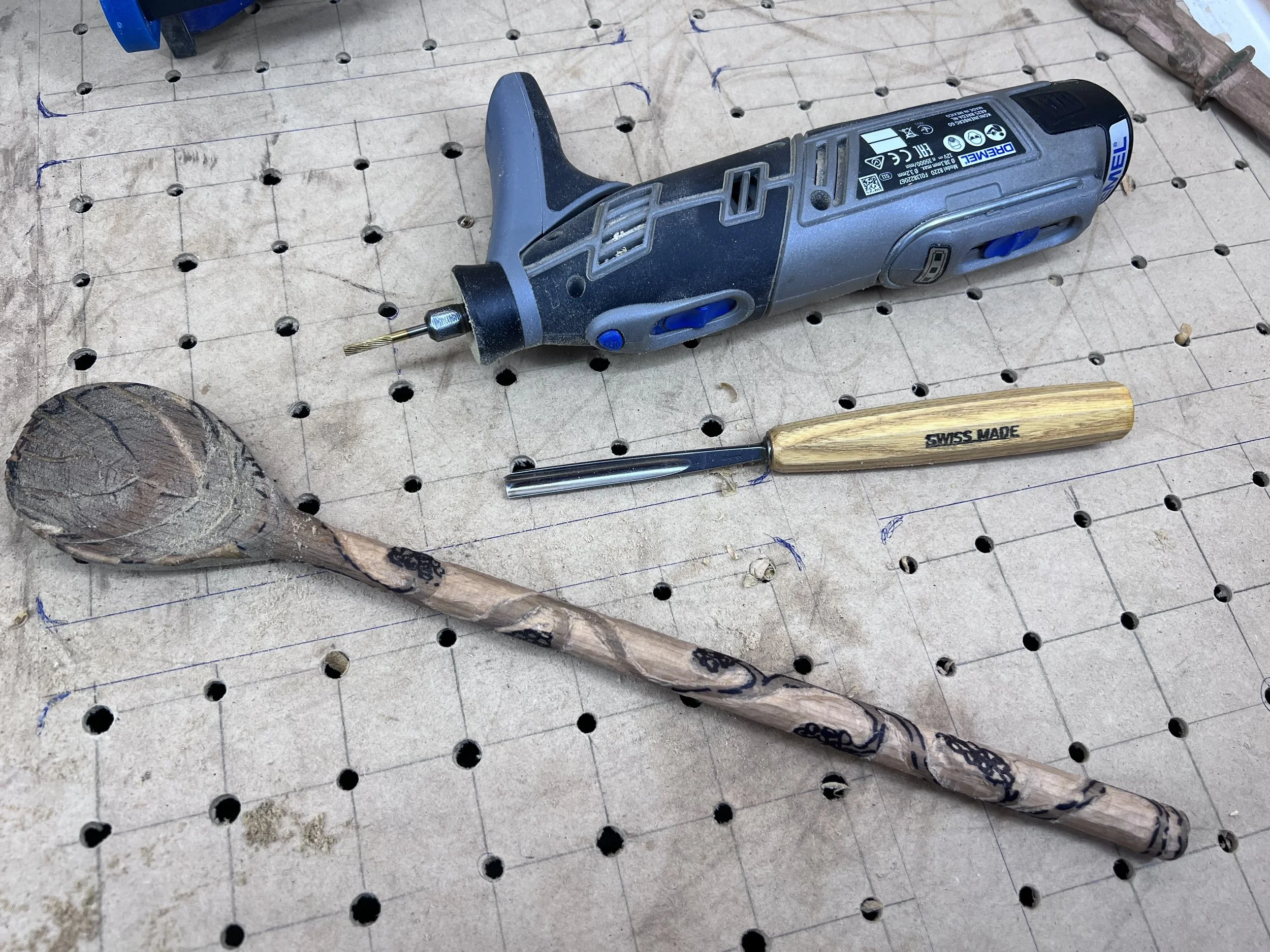
‘Choosing the tool shapes the hand’
From the Artists’ Woodshed Studio
1. Tool choice shapes the author, not just the text
For Artists (and Authors), the decision to use writing tools, assistants, or AI should not be made because “everyone is doing it”, nor simply because it is easier. In any craft, the tools we use influence how we think while making the work, and therefore how we come to express ourselves through it.
Time spent grappling directly with the material develops habits of attention, reasoning, and voice. And it is important to realise that tools that weaken an artist’s (be they an author or a sculptor) capacity to form identity or to think independently… this does harm, regardless of how efficient it appears.
This is not an argument against efficiency. It is an argument for consciousness. In my own practice of sculpting, I use power tools when appropriate, but only because I have learned, slowly and bodily, what hand tools teach. Writing is no different. AI tools can function like power tools, but they carry different risks, particularly when they are introduced before foundational skills are well formed. Awareness of those risks is part of responsible authorship.
2. Premature polish conceals unfinished thinking
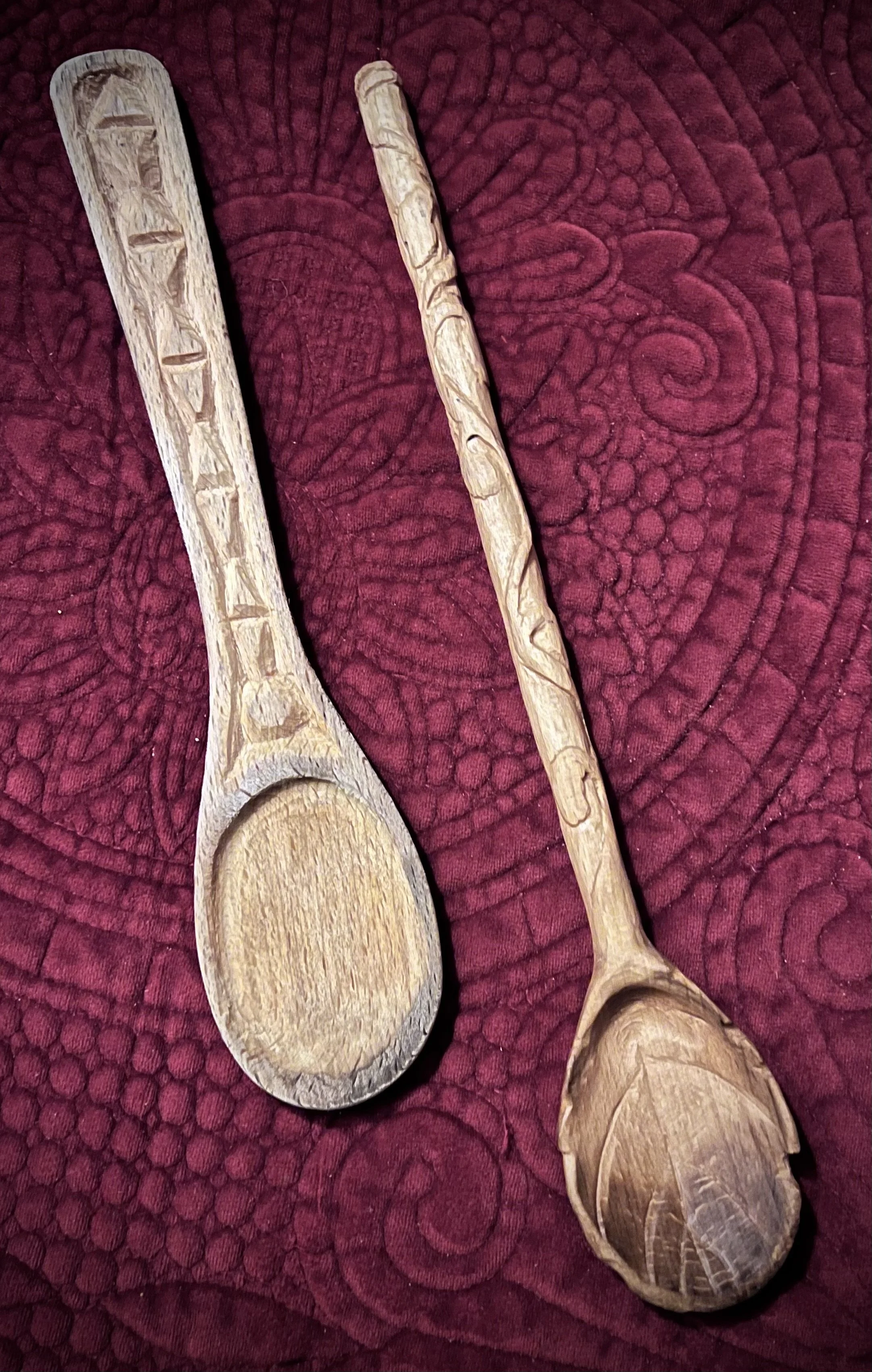
‘Before the finish’
Editors have long known that ‘clarity earned too early can be deceptive’. External refinement can sharpen expression, but if it arrives before an author has fully wrestled with meaning, authorship begins to shift. The danger is not polish itself, but premature resolution, work that sounds finished before it has been adequately lived with.
In facilitation and conflict work, when something that needs to be said is bypassed and the conversation moves on, it does not disappear. It is carried, often unspoken, and continues to exert influence. Coaching holds a similar tension. The urge to advise or resolve too quickly can short-circuit the struggle through which insight actually forms.
Writing follows the same pattern. Tools that resolve language before the author has resolved meaning can smooth over necessary friction. Used carefully, AI can assist with rough shaping. Used too early or too completely, it can varnish thinking that has not yet been properly sanded.
3. Your voice is not something to outsource
Good editing has always been grounded in respect for the author’s thinking. That principle does not change with new tools, but it does require active protection.
In facilitation, one of the first responsibilities is to help people speak from their own experience, not from what they think sounds impressive, acceptable, or safe. When language no longer quite belongs to the speaker, something essential is lost.
AI tools can be useful in reflecting structure or highlighting gaps, but when they begin to decide what matters, what should be emphasised, or what can be omitted, authorship quietly shifts. Over time, tone and values can seep in unnoticed. The risk is not plagiarism, but drift. The work may remain competent, but it no longer feels fully owned. And no longer has the compelling nature of what separates Good writing from merely competent writing.
4. The process should build strength, not dependence

‘Critically thinking… together’
Separating drafting from revision has long been part of sound editorial practice. Writing, resting, returning, and reshaping allow thinking to mature rather than be rushed.
In coaching, premature intervention can create reliance rather than capability. The same is true in writing. If refinement is outsourced too completely, the author’s capacity to judge, choose, and decide begins to weaken.
Tools should support the development of discernment, not quietly replace it. The aim is increased independence, not convenience alone. Critical thinking, and an artist’s ability to do so becomes an essential bane for the dangers of things that appear ‘too good to be true’!
5. Craft is learned through resistance
Much of what shapes a writer develops through friction: sentences that resist your efforts to make them “make sense”, ideas that remain under-expressed or unclear, and the discomfort of not yet knowing what you think.
There is a kind of learning that only happens through repeated, deliberate contact. Tools that remove too much resistance too early risk bypassing the conditions through which sensitivity and judgment are formed. Speed has its place, but discernment grows slowly, through attention, effort, and return.
6. Authorship includes provenance and responsibility
Authorship is not only about what appears on the page, but about where it comes from. Editors have always cared about provenance because it is tied to responsibility.
When AI tools are involved, questions of source, intent, and ownership can become blurred if they are not deliberately addressed. Who decided this sentence? Who stands behind this claim? Who is accountable for its consequences?
In leadership and public work, trust depends not only on competence, but on clarity of responsibility. Writing is no different.
7. Substitution erodes agency quietly
Tools are most useful when they extend skills the author already possesses. They become problematic when they begin to substitute for judgment.
As in facilitation, when the process starts running the group rather than serving it, something has gone wrong. When a writing tool begins resolving tension, choosing emphasis, or settling meaning on the author’s behalf, agency diminishes gradually.
This loss is rarely obvious in the moment. It often feels helpful at first. Only later does the author realise they are less certain of what they actually think.
8. Meaning remains an artist’s obligation
No matter how sophisticated a tool becomes, it cannot carry responsibility for the meaning the art is to convey. That obligation rests with the author, with the artist. And it is because meaning and sense making is different than merely finding and repeating patterns. It is being informed by them, and reflecting what the data says to you, the artist / author. That is what creates an embodied and authentic work.
When tools begin to shape not only how something is said, but what is considered worth saying, questions of power enter the work. These are not technical questions. They are ethical ones, not just for your individual work, but for society as a whole.
Awareness, rather than outright rejection, is the necessary response. This takes work. And time. But the consequences of not investing in your own ideas, in your ability to critically think and create… those consequences are real.
Where I stand on this now
AI-assisted writing is neither neutral nor inherently corrosive.
But it is not passive, and it still holds some risk, and, if I am to be honest, I still have to ask the questions around who is benefiting more from the push for us all to use this… and what could be done with all of the information and processing and analysis that is being done… and who would be able to use this to their benefit more, us the user, or they - the owner of the tool?
Like any powerful tool, AI reshapes practice through use. Handled with care, it may support craft.
Handled unreflectively, it will undoubtedly displace it.
For those who care about authorship, about voice earned through discipline, about editing as stewardship, and about writing as a way of becoming, the task is not to defend or dismiss these tools outright.
It is to remain consciously accountable for how tools can shape our thinking, and to use our knowledge of this to help retain that which we value.
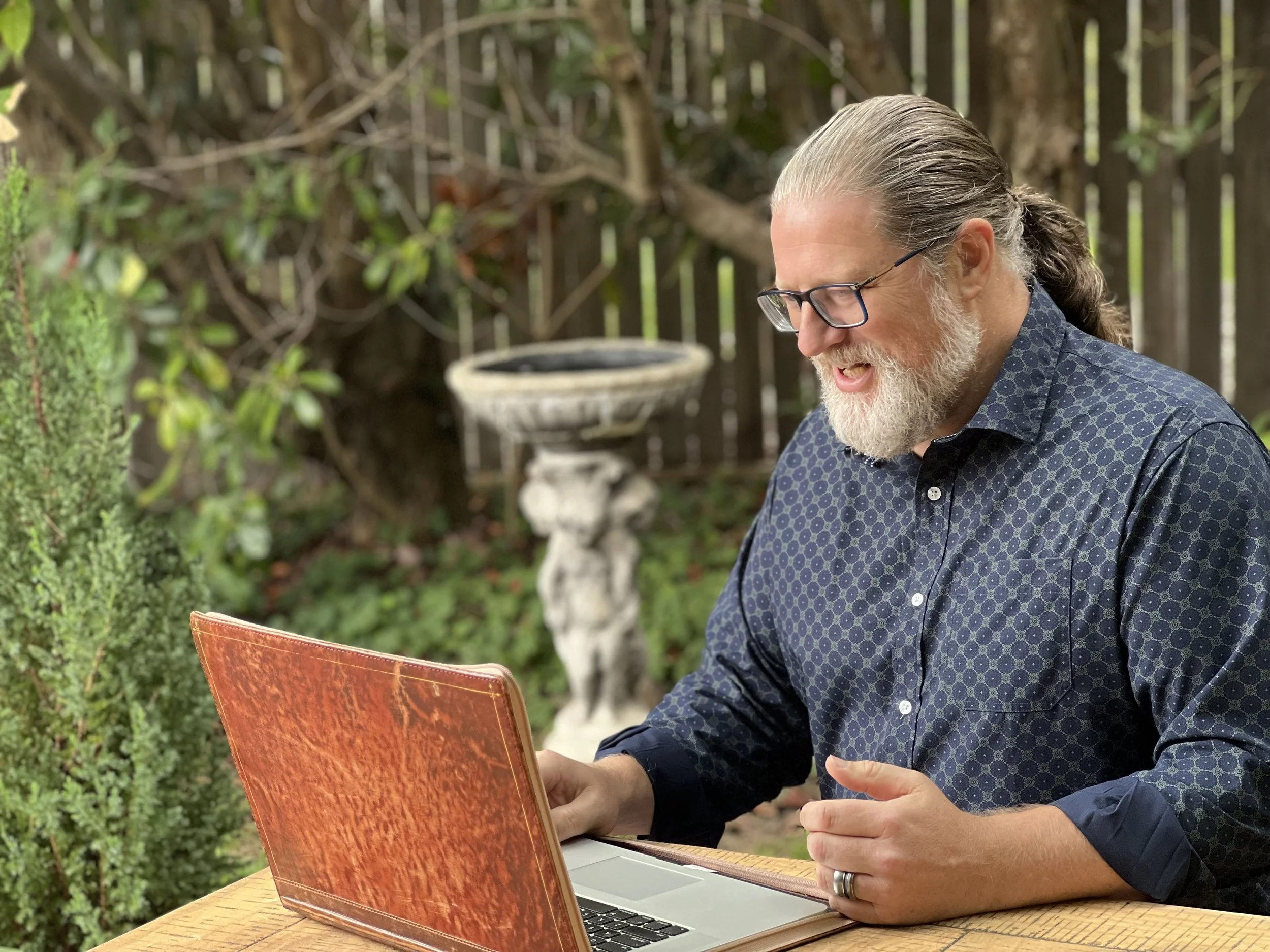
James Samana
Founder of Insightful Path