Extreme Facilitation:
Guiding groups THROUGH controversy and complexity
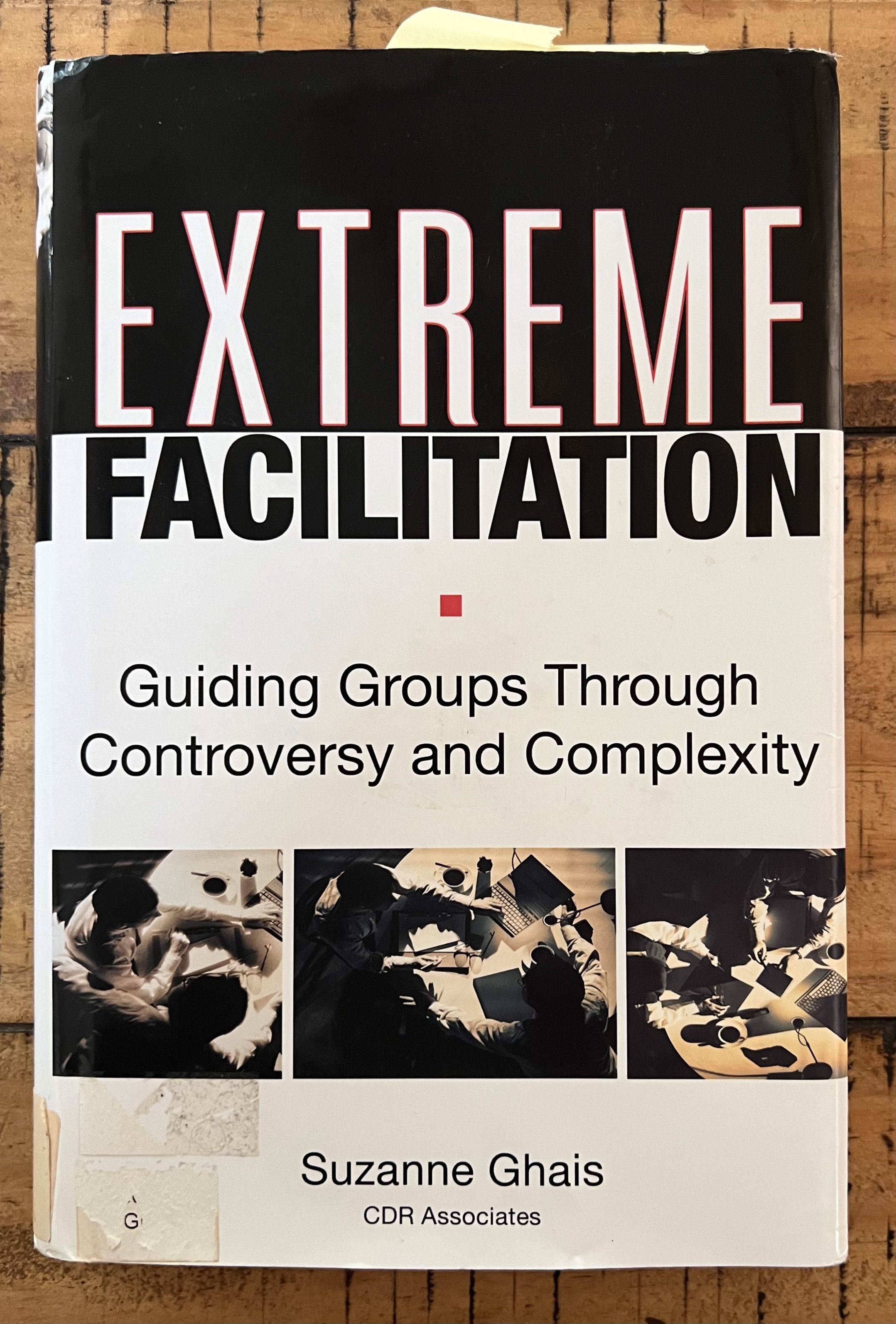
Some conversations matter too much to be left to chance. Whether navigating conflict, making high-stakes decisions, or bringing together people with genuinely different perspectives, the quality of the facilitation often determines the quality of the outcome. Extreme Facilitation is one of the most thoughtful books I have found on what it takes to guide groups through complexity with confidence, curiosity, and care.
Suzanne Ghais's concept of Extreme Facilitation is an approach focused on guiding groups through intense and challenging situations to generate clarity, innovation, and productive outcomes.
Ghais outlines 5 essential elements of what an ‘extreme facilitator’ is:
An architect of a custom process
having a deep understanding of the group; and
a wide range of possible facilitation techniques to get the group to collaborate;
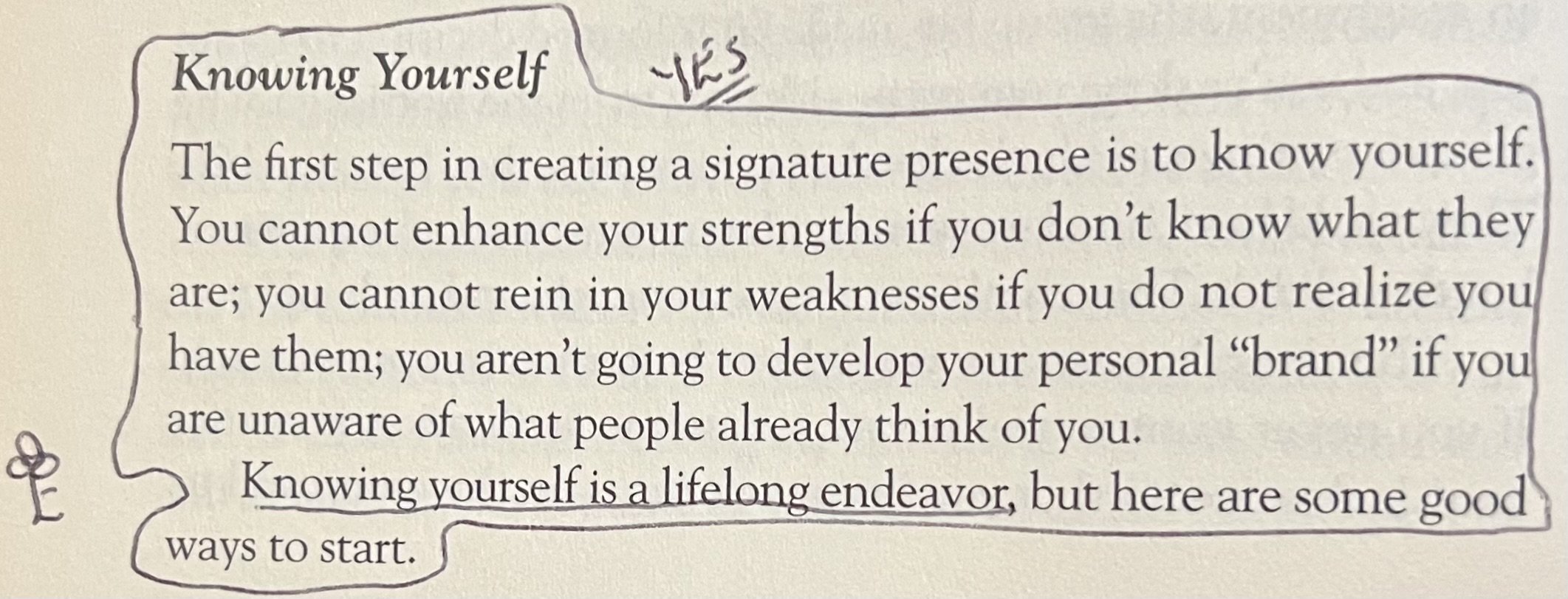
while having a strong personal presence to engender curiosity, creativity and persistence with the group; and
the ability to see, believe in, and help make room for all of the group’s capacities to achieve outcomes together.
This book is an excellent resource for facilitators and leaders alike to better understand:
What makes a quality extreme facilitator;
what is good preparation for extreme facilitations; and
how to conduct an extreme facilitation to help groups navigate complex problems and make decisions efficiently with authenticity, confidence, presence, trustworthiness, and calm.
The term extreme refers not to the intensity of the individual’s emotional or mental states, but to the overall level of complexity, urgency, or difficulty of the group’s work.
In March of 2024, I had the opportunity to interview Suzanne, about this book that I return to again and again for inspiration and ideas. I was also lucky enough to ensure that the interview had relevance for facilitation across the public sector as well by inviting the Founder, and the co-leads of the Government Facilitation Community of Practice, to ask questions pertinent to the vocation of facilitating, for the public sector. You can view this interview (here).

My reflection
I first encountered Suzanne's work while looking for ways to facilitate increasingly complex conversations across government, industry, and community settings. What struck me wasn't simply the collection of techniques, but her belief that effective facilitation begins long before people enter the room. Preparation, presence, curiosity, and trust are not separate skills; together they create the conditions in which groups can think more clearly than any individual could alone.
Over the years I've returned to this book repeatedly while designing workshops, facilitating national consultations, and helping leadership teams navigate difficult decisions. Each reading reveals something different, because the challenges change, but the underlying principles remain remarkably consistent.
Extreme facilitation: Guiding groups through controversy and complexity is, in my opinion, an excellent guidance for anyone who facilitates outcomes in challenging times. By reading through the book, you will find ideas for techniques that you can use, and the foundational philosophies and insights that Suzanne has gained across her work as an international peace negotiator, facilitator, coach, and mediator.
It is an excellent resource to also help you to grow your presence as one who can facilitate outcomes for others. I strongly recommend this book, as it has helped me on my facilitation path, again and again.
Continuing the conversation
In 2024 I had the privilege of interviewing Suzanne about Extreme Facilitation.
To make the discussion especially relevant to Australian public servants, I invited the founder and co-leads of the Government Facilitation Community of Practice to contribute questions exploring how these ideas translate into public sector practice.
If you're interested in hearing Suzanne discuss these ideas in her own words, you can watch the interview here.
COntinue exploring Extreme Facilitation
If this review resonated with you, you may also enjoy the following related books:
Mastery - on developing the patience, discipline, and mindset required to pursue excellence over a lifetime.
Radical Candor - on building the trust and courage needed to navigate difficult conversations with honesty and care.
Man’s Search for Meaning - on discovering the sense of purpose that sustains leaders through complexity and challenge.
Putting these ideas into practice
These ideas continue to shape my work through:
Executive coaching - supporting leaders to develop the presence, curiosity, and confidence required in complex situations.
Leadership development - teaching leaders the skills and micro-skills which will enable them to thrive.
Facilitation and its design - Helping organisations navigate complex conversations, strategic planning, and collaborative decision making.
Beyond the book
Facilitation is a large part of my work, and a critical skill for anyone who wants to achieve results through the collaborative efforts of others. If you would like to explore more ideas on facilitation, you might also enjoy:
Interview with Suzanne Ghais - hear Suzanne discuss the ideas behind Extreme Facilitation, including questions from leaders within the Australian Public Service facilitation community
Facilitation as practice - a post on the practice, and what I’ve found about it in moments of tension, conflict, and uncertainty
Why strong facilitation communities matter - a post on the variety of facilitation communities that I am involved in
Successful hybrid workshops - a post on how you can create a hybrid (face-to-face and online participants) workshop that meets your goals, and has participants all feeling engaged and proud of their contributions.
How to advocate for good facilitation - a post on understanding the subtle but critical components which differentiate a good facilitation from one that merely ‘serves the purpose’.
Beyond the survey - a post which looks at how thoughtful facilitation and evaluation create deeper understanding that data alone.
For more information about Suzanne, her work in producing a more peaceful and productive world, as well as her current projects and thinking - subscribe to her webpage: www.sghais.com