The Courage to Look again:
What an unfinished wooden plate taught me about Leadership and change.
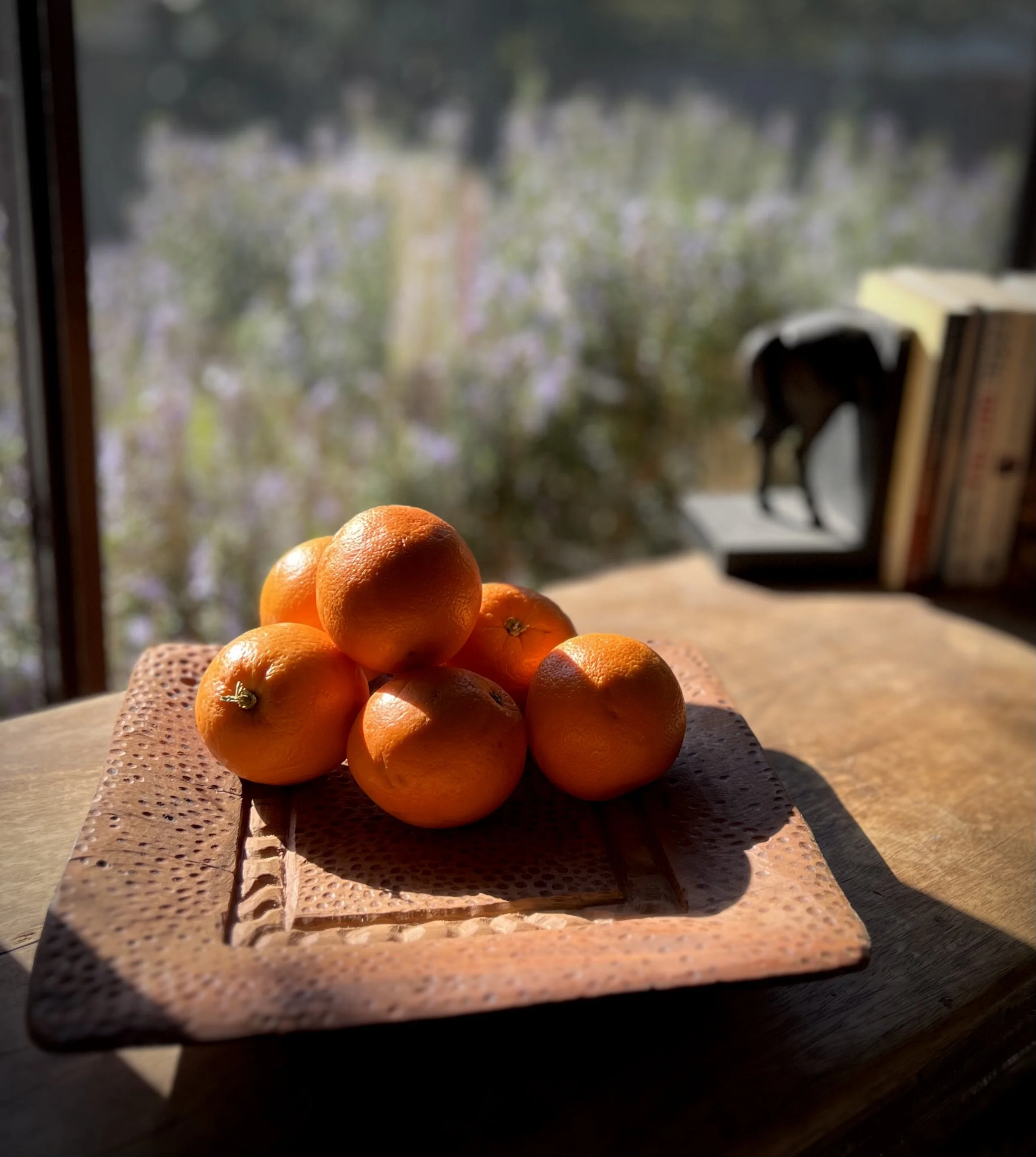
‘The Courage To Look Again’
From the Artists’ Woodshed Studio Retreat
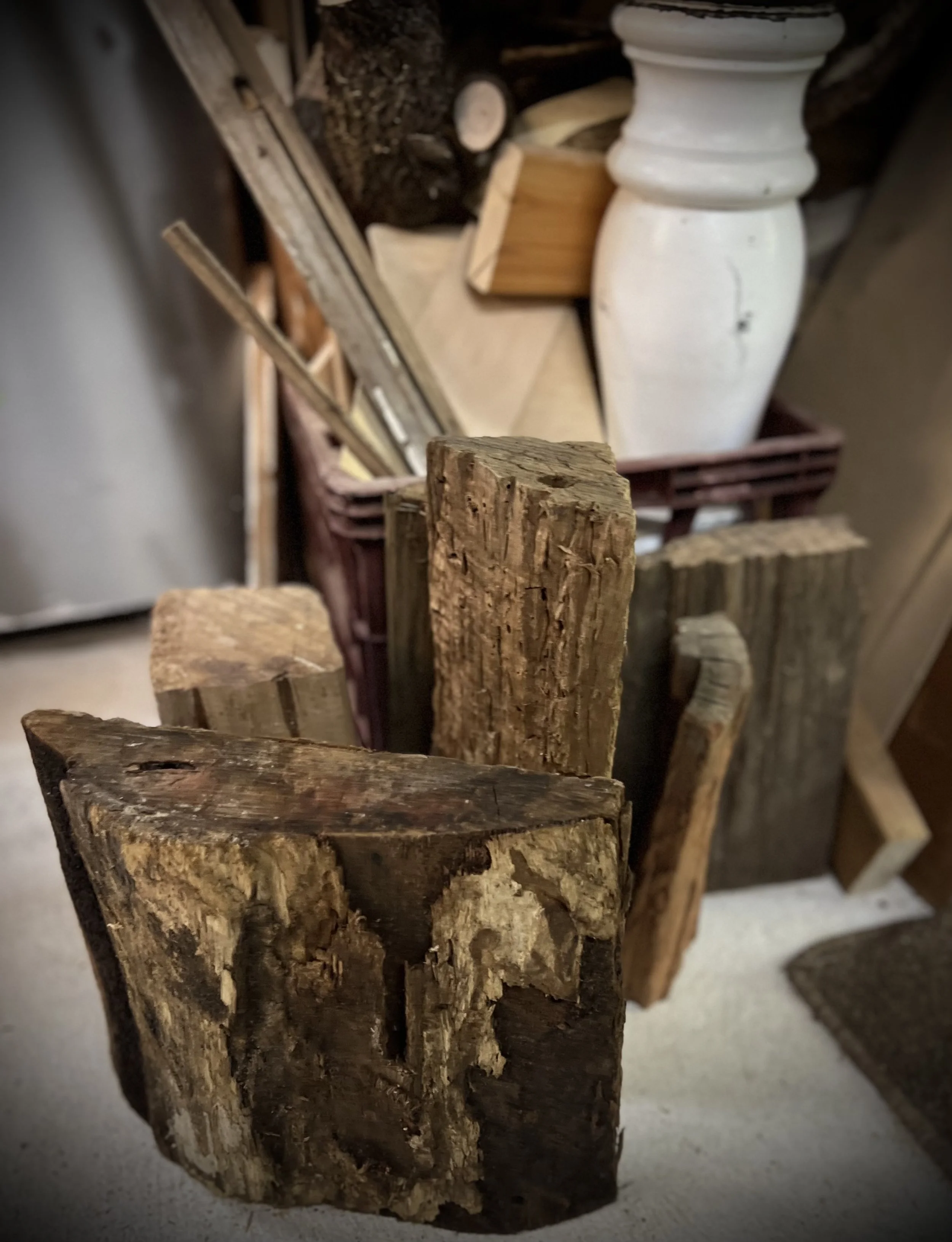
‘The First Form’
From a piece of fire wood…
There is a wooden plate in our house that holds fruit.
It’s made form a beautiful piece of red coloured timber, although, when I found it, it was simple a piece of firewood. Its colour and grain suggested that it might become something more, so I set it aside rather than allowing it to disappear into the fire.
In November, I took it into the shed and began working it with my grandfather’s chisels.
I cut away the rough exterior, flattened the base, and gradually formed the beginnings of a plate. It was recognisable, useful, and complete enough for the moment.
For many months, the plate remained, much as I had left it.
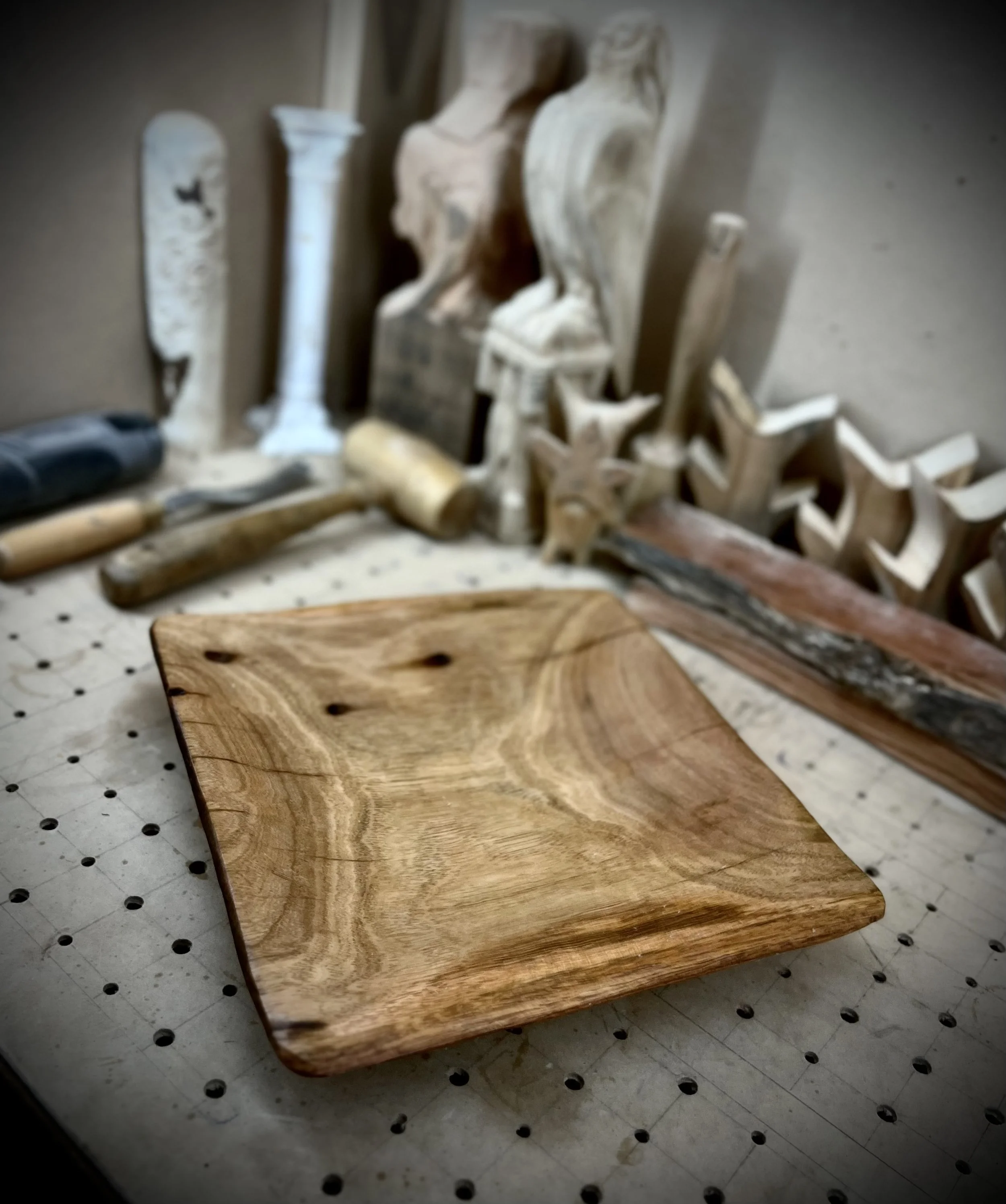
‘Shaped for use'‘
From the Artist’ Woodshed Studio Retreat
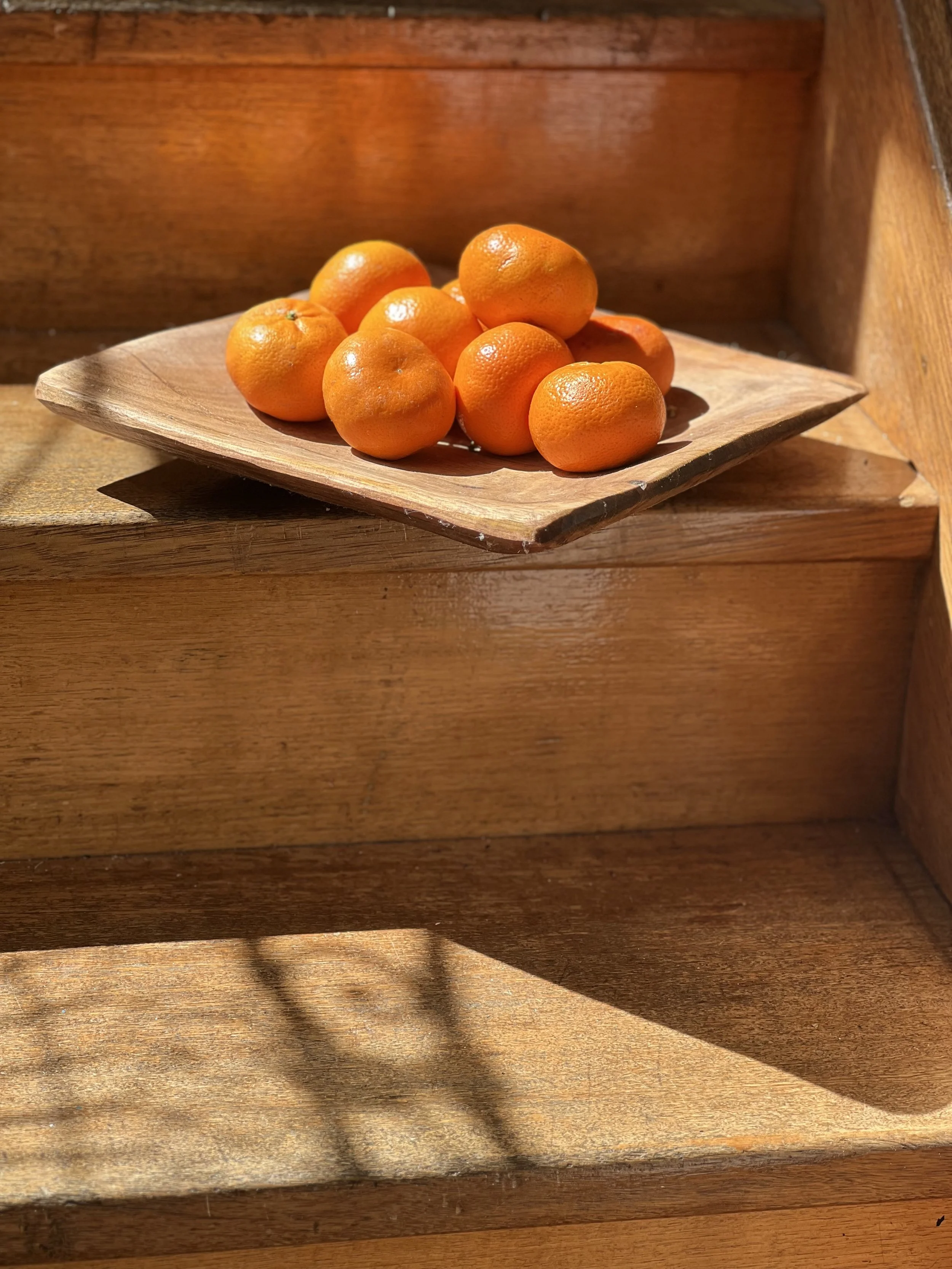
‘The Warmth of Light’
From the Artist’s Woodshed Studio Retreat
Nothing was particularly wrong with it. It had already travelled a considerable distance from the piece of firewood it had once been. I could have left it, sanded, oiled, and deemed ‘finished’. But, this past month, when I returned to it, I saw something more in what it could be.
It maybe that my skill had developed (which it had after a year’s worth of practice). Perhaps it was my confidence too had grown (which, likewise, with practice was true too). But it might have just been that the time I had spent with the ‘finished’ plate, allowed me to encounter it again without being tied by my original idea of what it was supposed to become.
Returning to the work
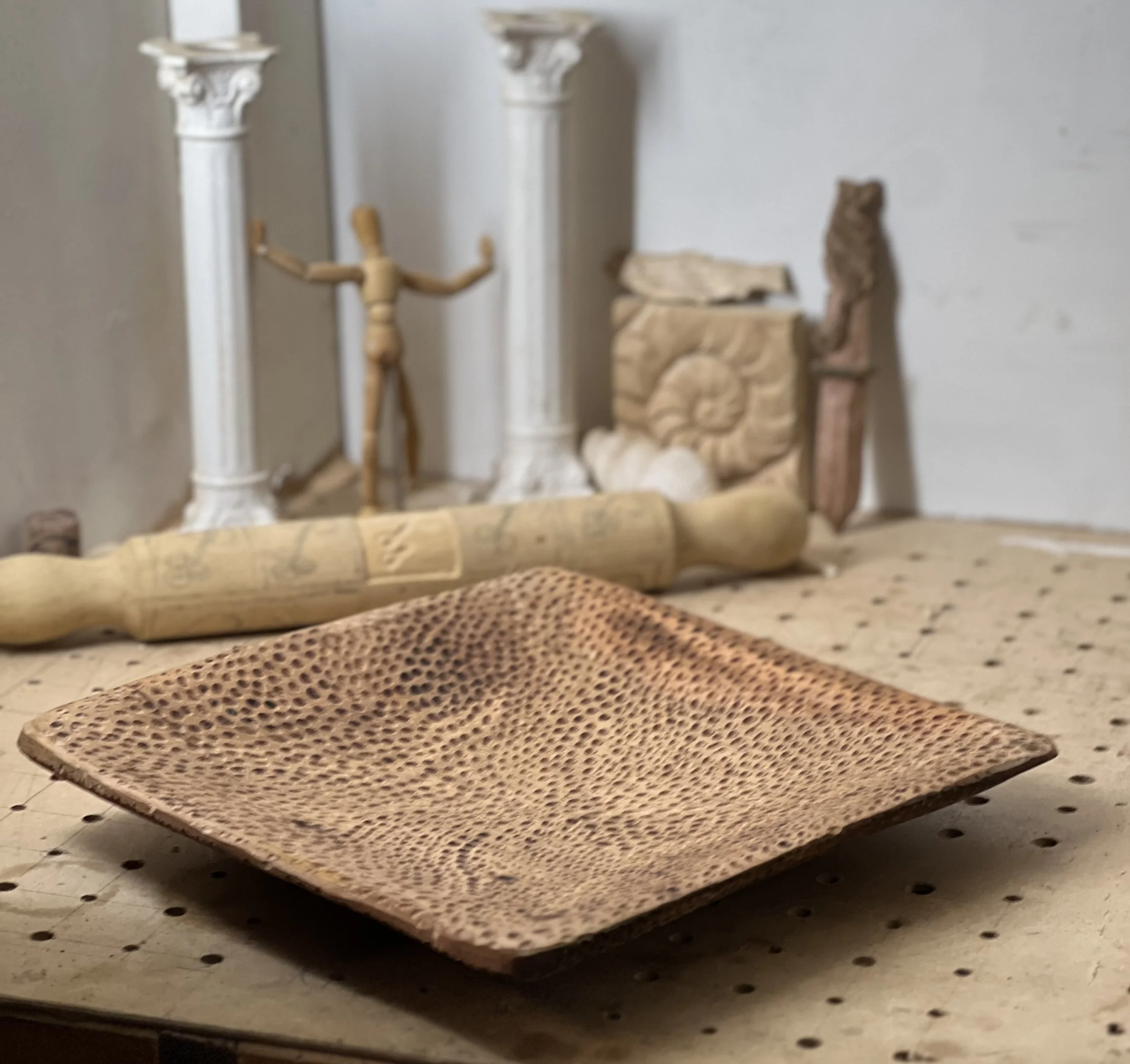
‘Following The Curves’
From the Artists’ Woodshed Studio Retreat
For whatever reason, I returned to it, and began carving into its surface. This time, instead of trying to make everything smooth and uniform, I used curved scoops to create organic lines spreading out from the centre. Each movement of the chisel left a small dimple in the timber. Together, the marks formed flowing patterns that followed, and sometimes crossed, the natural grain of the wood.
The marks of the tools were no longer ‘imperfections’ to be removed. They became a part of the design.
After completing those curves, I put the plate aside again. About a month later, I brought it back into the studio. Looking at it with fresh eyes, I decided to carve a smooth square around the base of the plate, creating a clean border between the textured centre and the sides curving upwards.
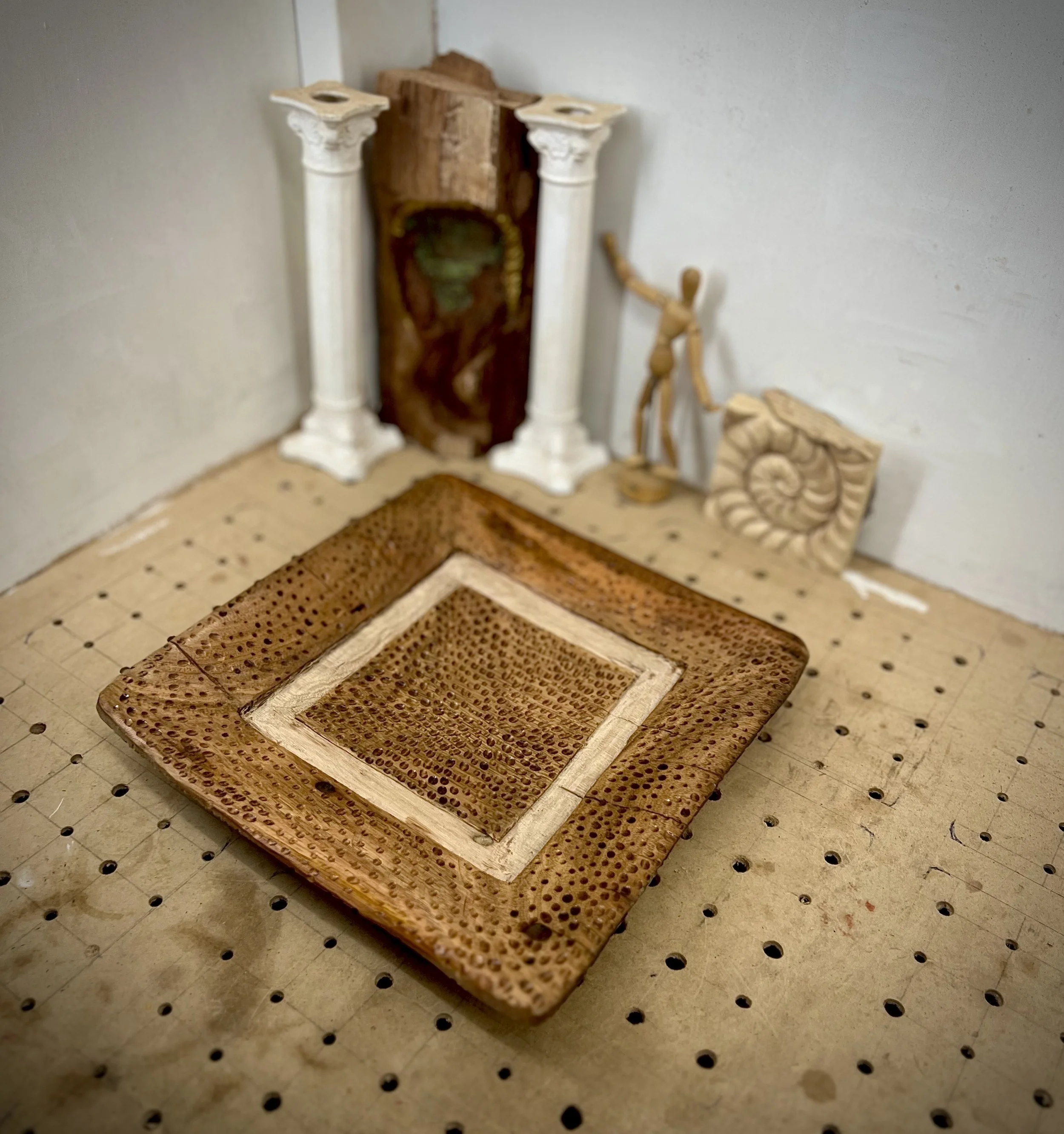
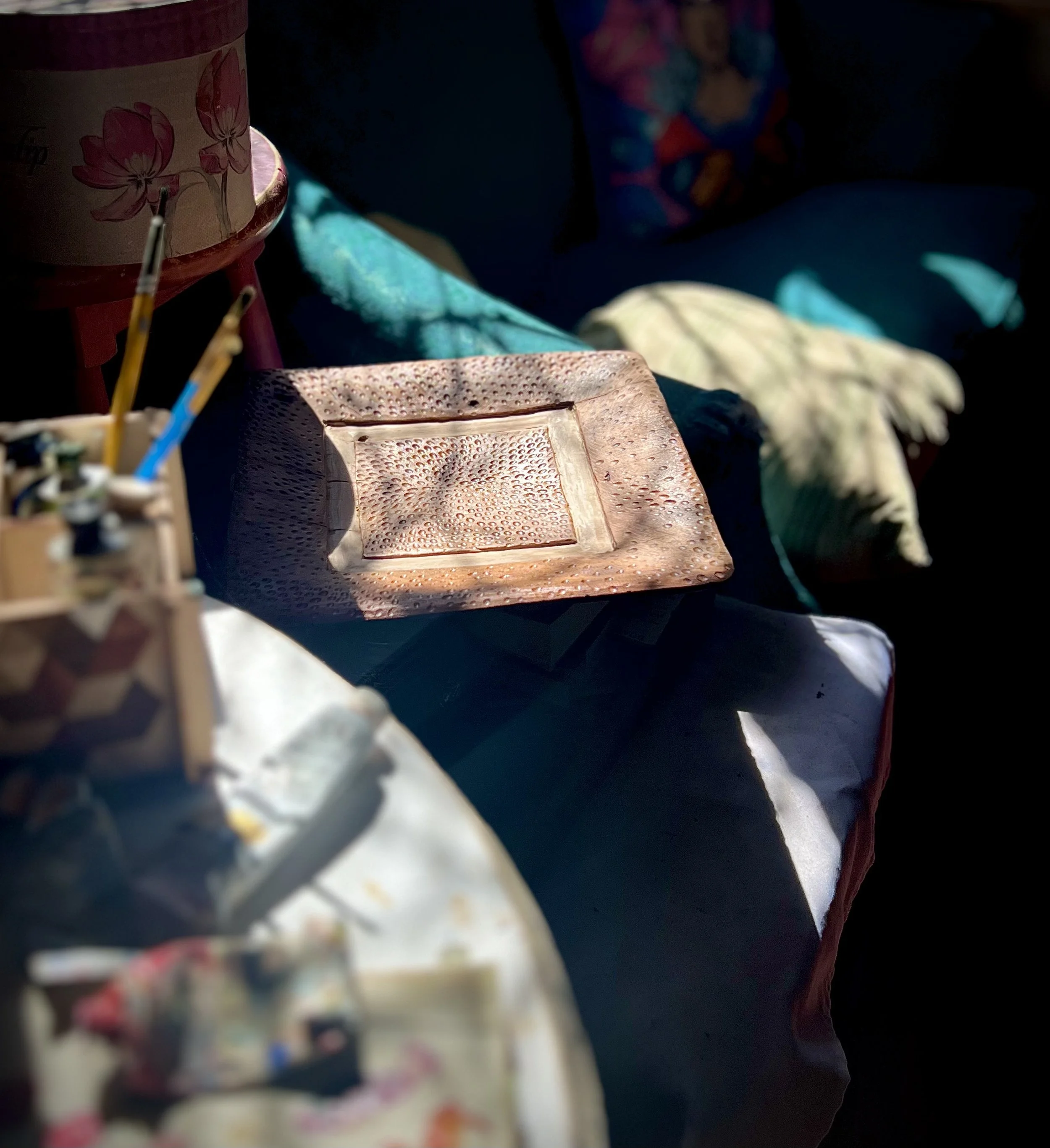
The contrast appealed to me. The centre was organic, irregular, and visible worked by hand. The border was restrained, ordered, and smooth.
For most of that morning, I thought it might be finished.
It sat in the studio, where we spend the day creating. And as I looked at it, resting in the sunlight, I felt it again needed something.
The smooth border was ‘clean’, and I was happy with how it was done, but it seemed too separate from the rest of the plate. The centre held movement and life, and the border was just too static. It managed, but did not lead the eye.
So, I took up the chisels once more, and carved wave-like braids across the surface of the border I had only just worked to make smooth.
And this became, for me, one of the most interesting parts of the process… creating the border had required care, and patience. Carving into it again meant disturbing something that had taken considerable effort to produce. I had to let go of the satisfaction of a clean surface and accept the possibility tag the next intervention might not improve it… (could even make it worse!).
Yet, the plate needed more than just ‘neatness’. It needed coherence. The ‘waves’ allowed the movement in the centre to continue through the border. What had looked like a boundary became again a part of the wider design.
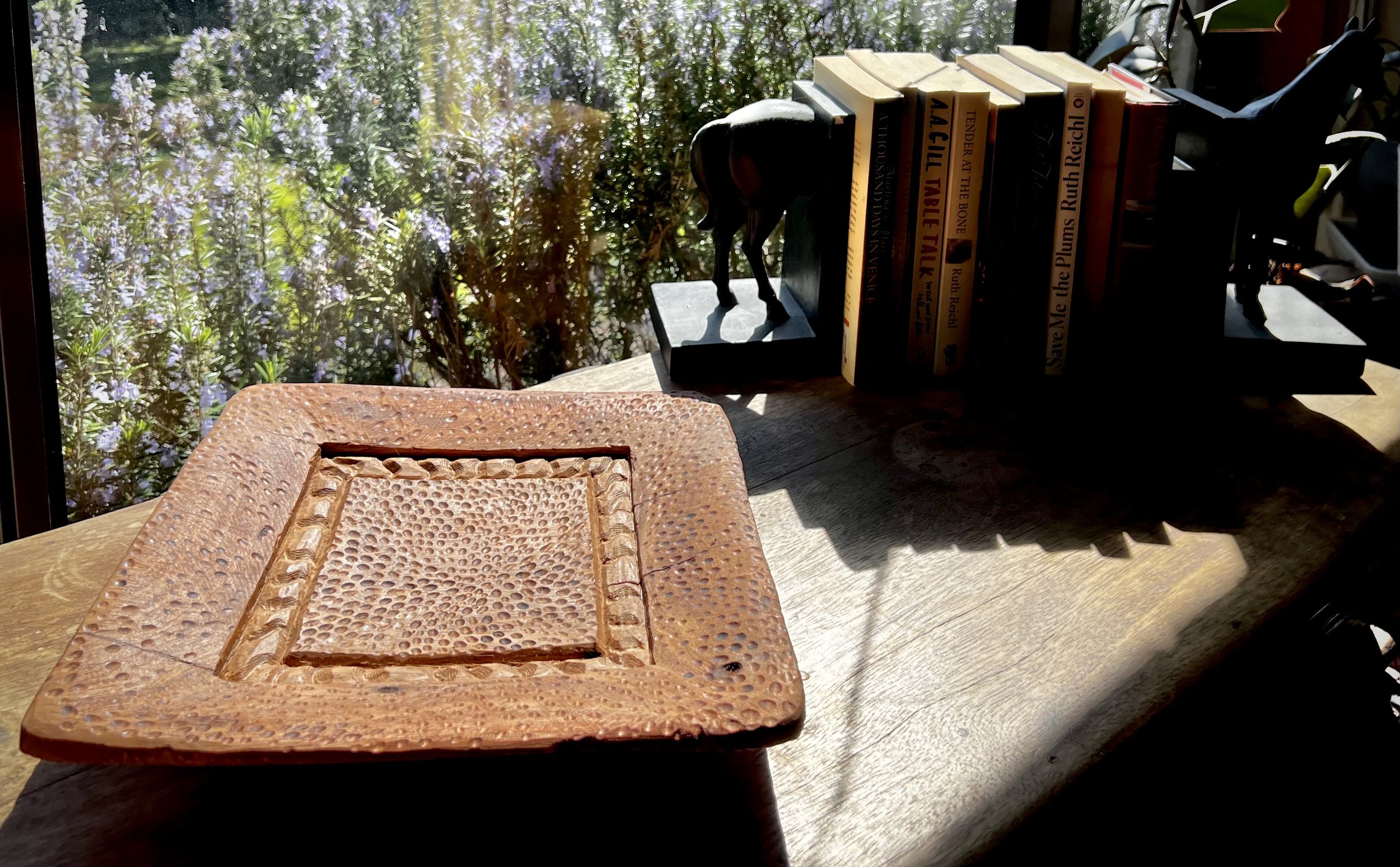
‘Carving into the border’
From the Artists’ Woodshed Studio Retreat
There is something in this that feels important beyond the Practice of carving.
I think we often imagine ‘development’ as a continuous journey forward. We begin with a clear destination, make steady progress, and eventually arrive at a finished result.
But for me, at least, it’s rarely so orderly. Sometimes I can act with all of the skill and understanding that I’ve got, and then put the work down…. only to live, to practice, to make mistakes, and to learn elsewhere. And when i eventually retrun, I am no longer quite the person who first approached the task.
The work may not have changed, but my capacity to see it has. Every time I returned to this plate, I could see something that had previously been beyond my skill, my imagination, or my willingness to disturb.
The plate was changing, but the craft was also changing me.
When completed work is not complete
I see something similar in organisations. Each year, many organisations receive the results of an employee census or engagement survey. Leaders examine the data, staff are invited to discuss the findings, workshops are held, and action plans are developed.
Considerable thought and good intent may go into this work. Yet, when the next results arrive, some of the same patterns remain. This does not necessiarily mean that previous efforts were insincere or that nothing was achieved. The organisation may have acted upon what people could see, discuss, or change at the time. But recurring patterns invite us to return to the work.
They ask whether we are prepared to look again, perhaps from a different perspective or in a different light. They ask whether our earlier actions addressed what was readily visible, while something more complex remained beneath the surface.
An action plan can be completed while the deeper work remains unfinished. The difficult question is whether we are willing to disturb what now appears settled: and accepted explanation, an established way of working, a comfortable leadership narrative, or a solution that is orderly, but has not produced the change people hoped to see.
Creating the safety to see more
Looking again requires more than a new analytical tool. It requires psychological safety: the permission to speak candidly, question respectfully, acknowledge uncertainty, and describe the difference between what leaders intended and what people experienced.
Psychological safety does not mean comfort, agreement, or an absence of standards. It allows people to engage honestly with difficult questions while remaining connected to a shared purposes and accountable for what happens next.
For leaders, this can require tha capacity to stand in the fire: to remain present, curious, purposeful, and compassionate when the conversation becomes uncomfortable. When people express disappointment, frustrations, or mistrust, the instinct may be to explain what leadership intended, defend the work already undertaken, or move quickly towards another solution.
Sometimes, however, the most valuable leadership act is to remain with the unresolved question for a little while longer.
What are we not yet seeing?
What might people be reluctant to say?
Which parts of our previous response were useful?
What sits beneath the patterns that continue to return?
What do we need to preserve, and what are we now prepared to change?
A worthwhile post-census conversation should do more than generate another list of activities. It should help people recognise what is already strong, understand the patterns in their experience, explore what may be sustaining those patterns, and decide together what needs to continue, change, or be tested next.
The facilitator’s role is not to arrive with a predetermined answer. it is to help create the conditions in which people can see more clearly, speak more honestly, nada take meaningful responsibility for what emerges.
The craft of returning
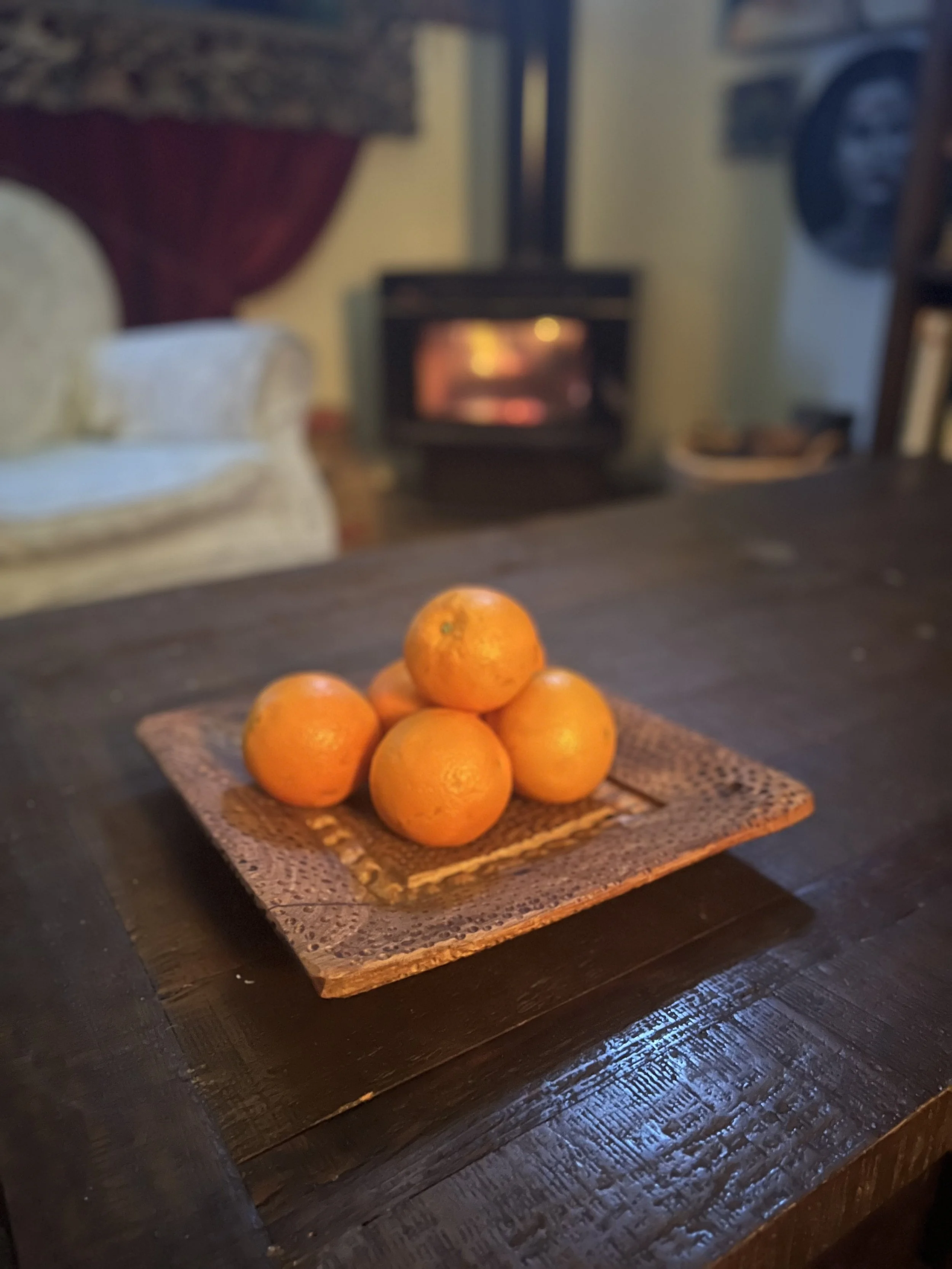
‘Returning to Use’
From the Artists’ Woodshed Studio Retreat
The plate now sits in the house again, holding fruit. Its earlier forms have disappeared, but none of them was wasted. Each stage made the next stage possible. Even the smooth border, which I later carved into, helped me recognise what the design still needed.
The plate is not valuable because I conceived it perfectly at the beginning. It is valuable because I kept returning to it, and because each return allowed me to see something more. I think this is true of most things worth learning.
Practice matters, but what the practice reveals about us, about our attachment to our first ideas, our desire to appear ‘finished’, our discomfort with uncertainty, and our willingness to reconsider work in which we have already invested time and effort.
Growth does not always ask us to discard what came before and begin again. Sometimes it asks us to honour the work already done, place it in a different light, and find the courage to look again.
Is it time to look again?
If your organisation’s census results reveal recurring patterns, unexpected changes, or a gap between leadership intention and employee experience, a carefully facilitated conversation can help you explore what sits beneath the results and decide what should continue, change, or bet tested next.
I work with APS leaders and teams to create psychologically safe, purposeful conversations that turn difficult findings into shared understanding and practical action.