What to do when the work breaks
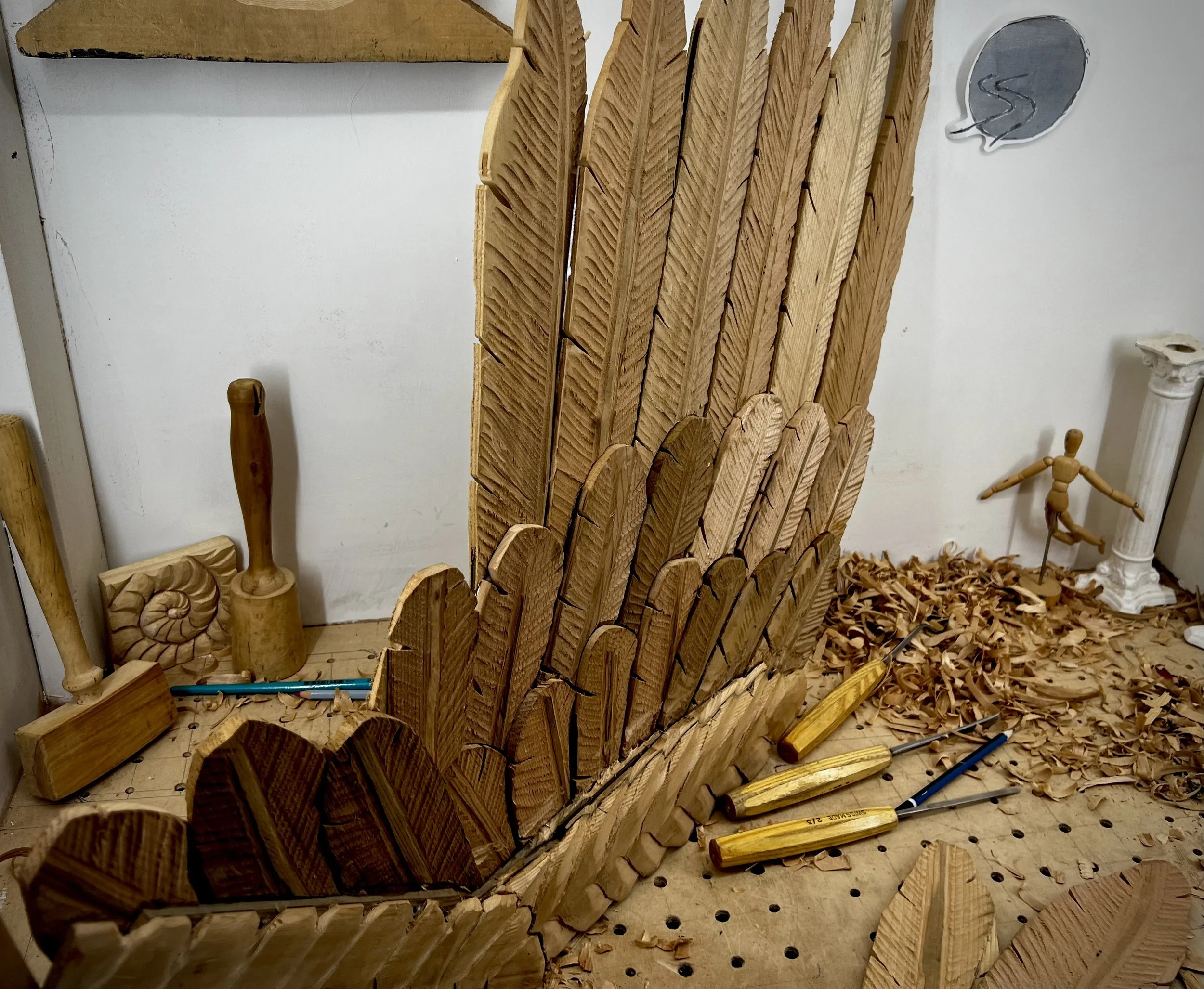
‘The work in progress’
The Artists’ Woodshed Studio Retreat
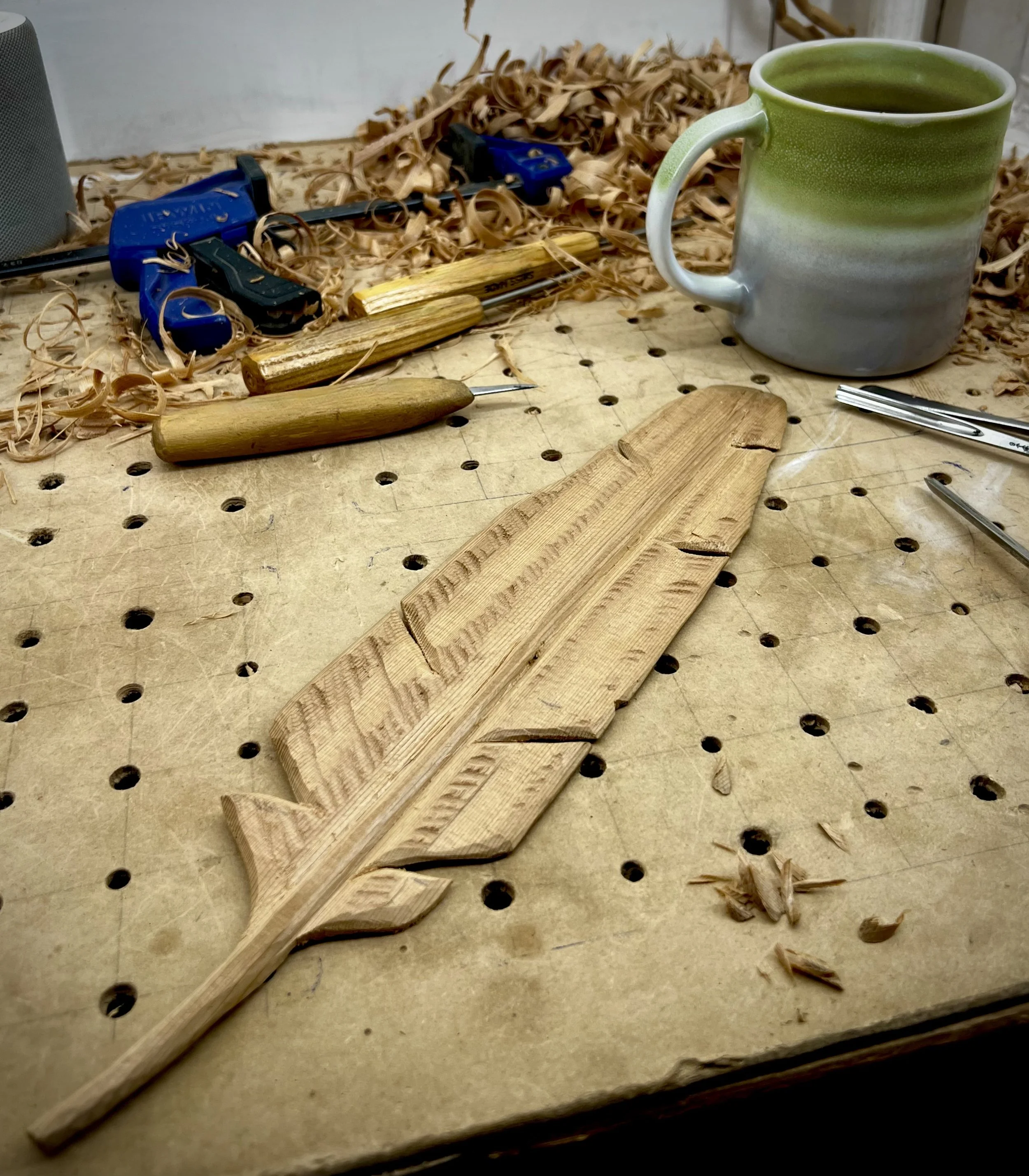
‘The form, taking shape’
From The Artists’ Woodshed Studio Retreat
The quill in the shavings
There are moments in public life where something you have invested in (carefully, intelligently, often over years) breaks.
A reform is rolled back.
An institution weakens.
A decision you believed in leads to unintended harm.
Or the broader environment shifts in ways that make good work harder, not easier.
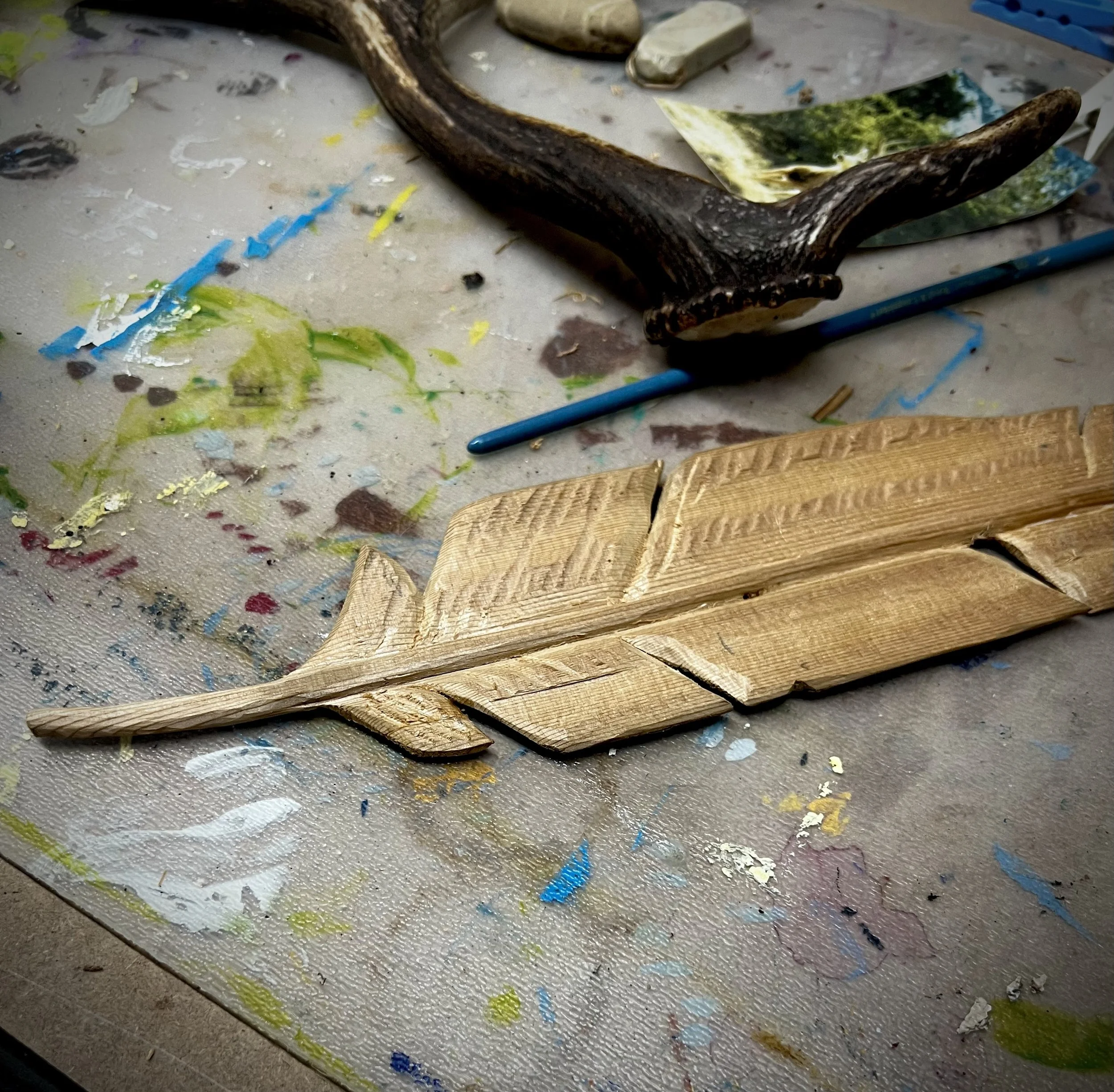
‘Precision and Progress’
From The Artists’ Woodshed Studio Retreat
At those moments, the temptation is predictable: withdraw, harden, or disengage.
But that response misunderstands the nature of the work.
Because the work was never stability.
It was stewardship under conditions that change.
Not the preservation of form, but the continuation of function. Not control of outcomes, but responsibility for contribution.
And that responsibility does not end when conditions turn against you.
The Reality: All Systems Degrade
What is built will, at some point, come under pressure, distort, or break.
This is not failure in the moral sense. It is structural reality. Laws are reinterpreted. Norms erode. Capabilities atrophy. People (on all sides) act from fear, identity, and incomplete information.
If you expect permanence, you will experience every disruption as defeat. If you understand impermanence, you begin to see something else:
Breakdown is not the opposite of progress. It is part of it.
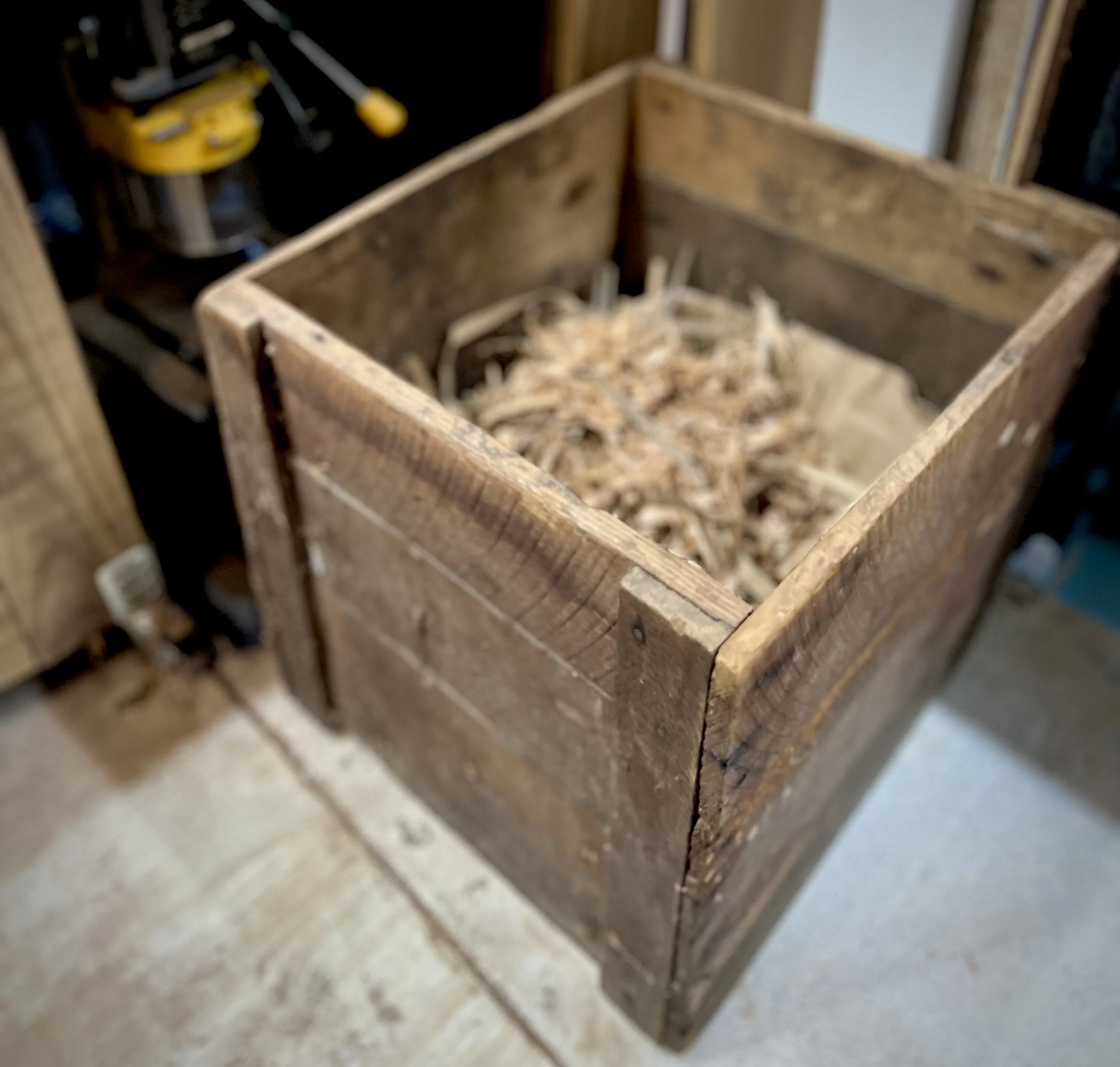
‘The accumulation of effort’
From The Artists’ Woodshed Studio Retreat
The Critical Moment: The “Small Death”
When something breaks, there is a moment most people avoid. Not the public failure. Not the headline.
The quieter moment.
The recognition that what you were trying to create will not exist in the form you intended.
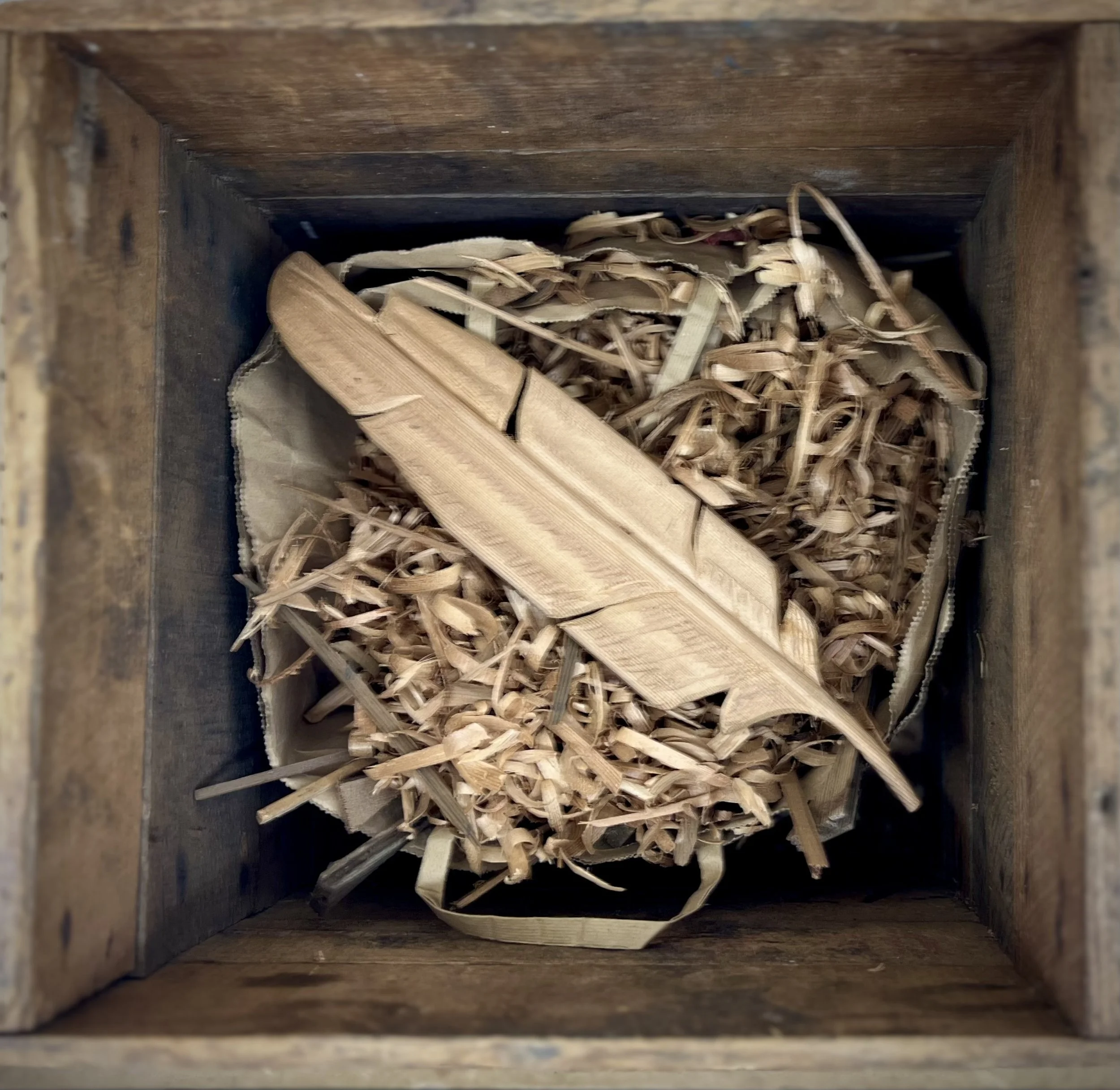
‘The Break’
From The Artists’ Woodshed Studio Retreat
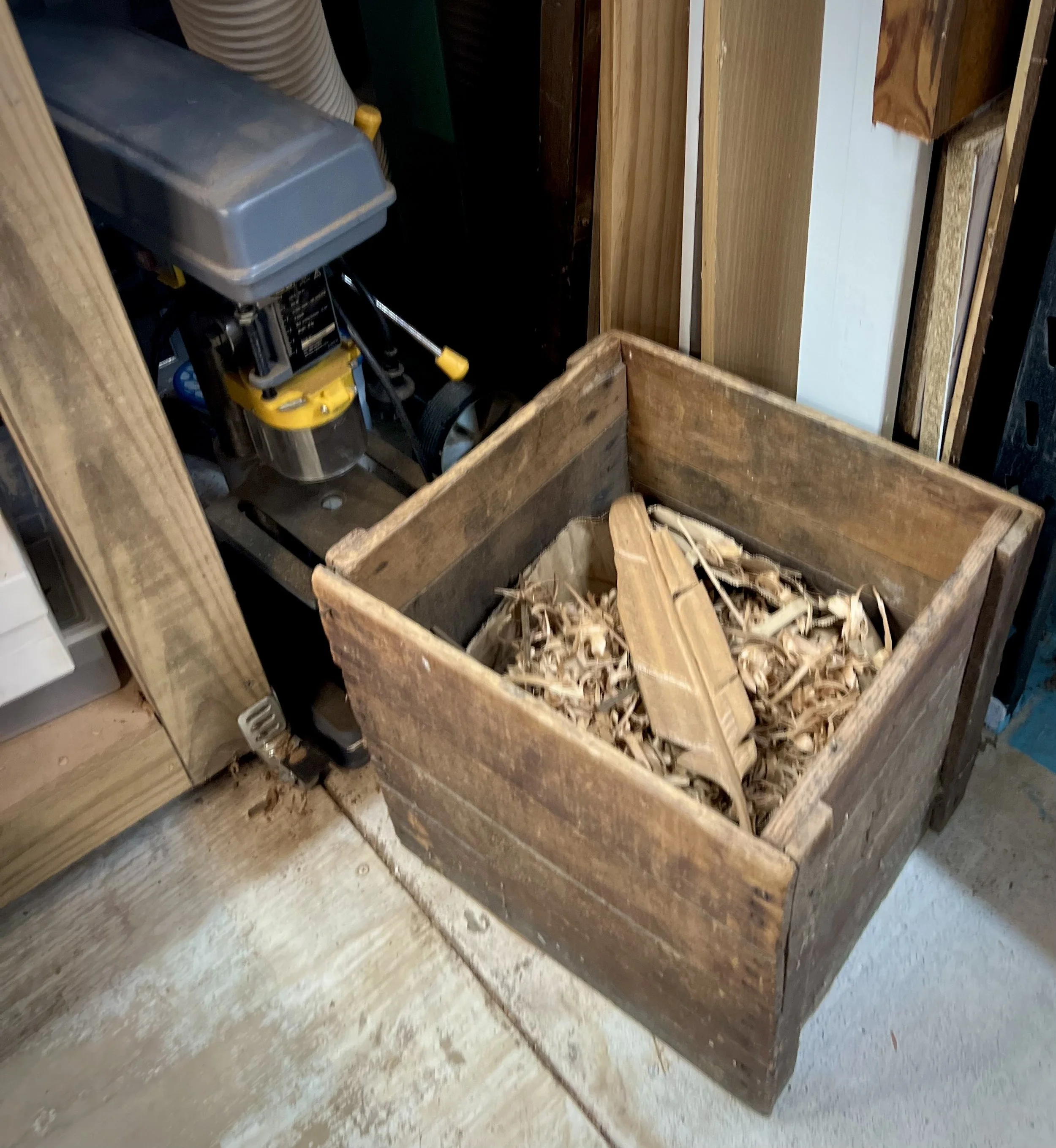
‘The Quiet Witness’
From The Artists’ Woodshed Studio Retreat
This is where many capable people lose their effectiveness… not because they lack skill, but because they resist reality.
They keep arguing with what is. They cling to the original design. They disengage emotionally while remaining physically present.
In practical terms, this is where influence drops to zero.
The Reframe: From Outcome to Material
The more effective move is harder, but far more powerful:
Shift from attachment to outcome, to engagement with what remains.
In other words:
What is still intact?
What has actually changed?
What is now possible that wasn’t before?
This is not optimism. It is disciplined perception. It is, as Ray Dalio would call it, “seeing reality clearly and dealing with it.” It is also, adapting to the field of power as it actually exists, not as you wish it to be.
In Insightful Path terms:
You move from forcing the form, to working with the grain.
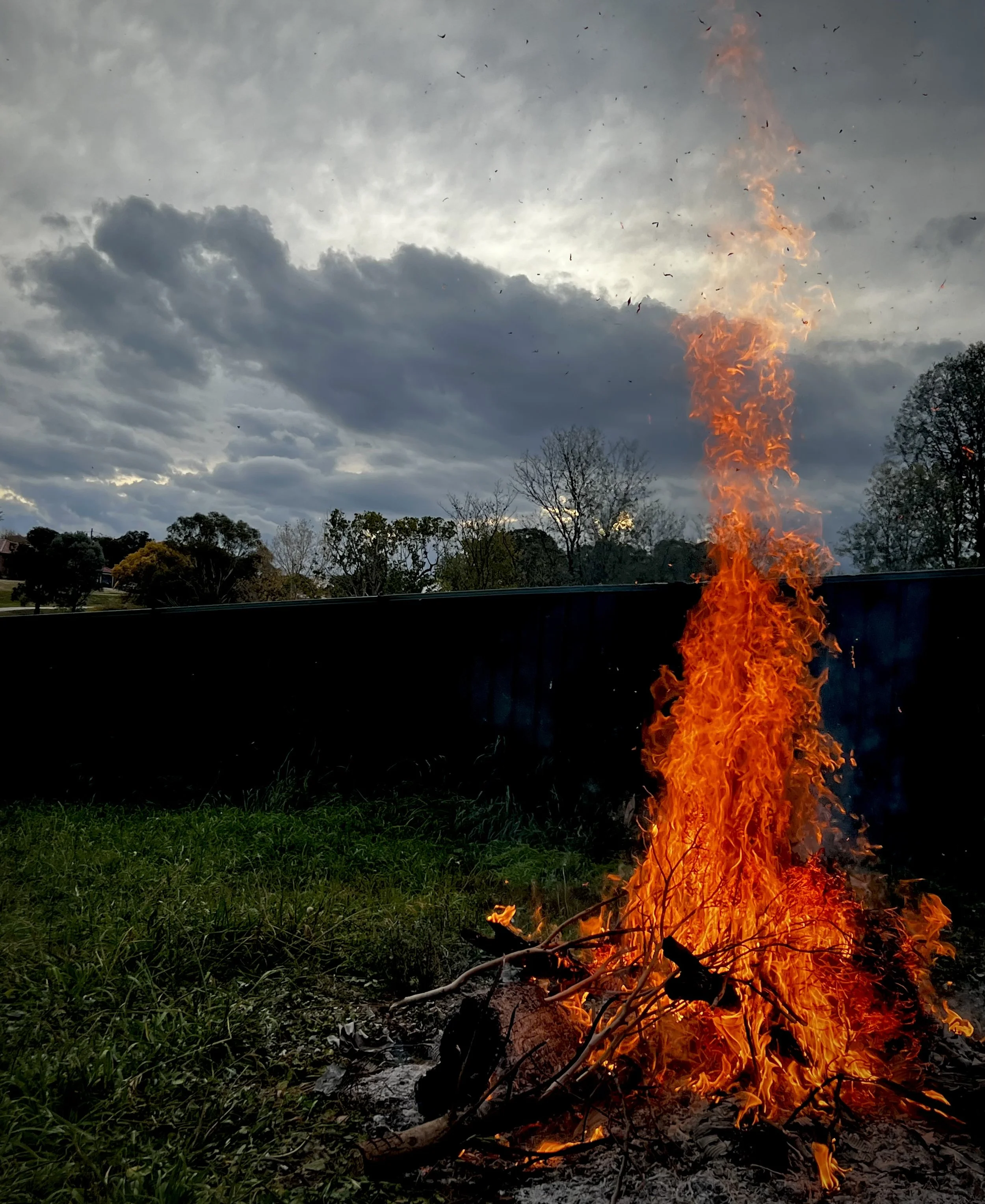
‘Sitting with the Fire’
A night spent with friends
Night came with fire. And with it, perspective.
The Pattern: What Breaks Becomes the Tool
In complex systems, the thing that fails often reveals the next path forward.
A policy failure exposes a hidden assumption.
Resistance reveals where legitimacy is weak.
Constraint forces clarity and prioritisation.
Loss sharpens what actually matters.
What initially presents as damage can, if engaged properly, become material.
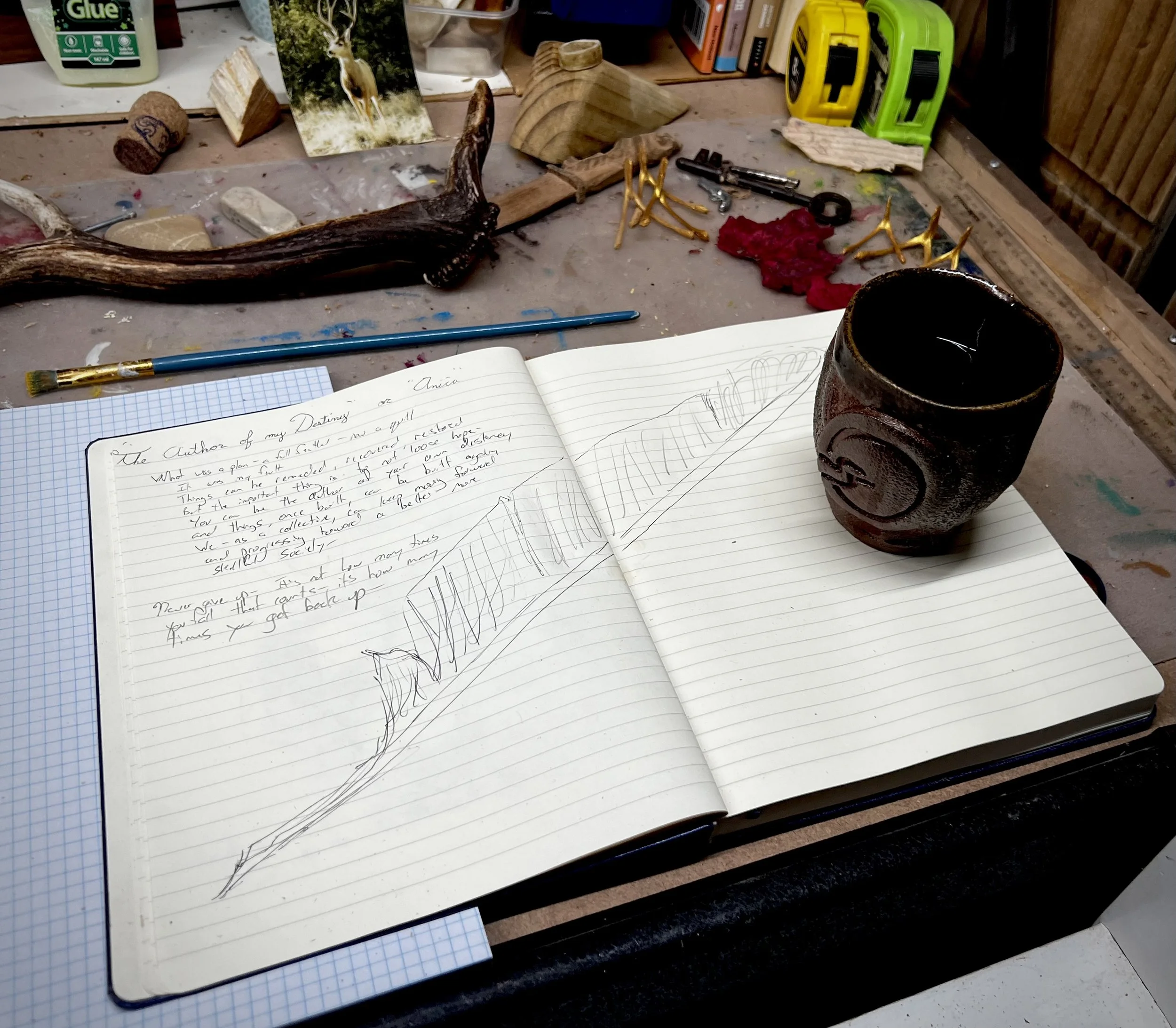
‘The first reimagining’
From The Artists’ Woodshed Studio Retreat
This is the difference between those who burn out and those who become more effective over time.
One group sees only loss.
The other sees information.
The Human Reality: You Are Not Alone in This Moment
Across the system right now, there are:
Senior officials carrying decisions with real human consequence
Clinicians delivering diagnoses that change lives
Judges weighing outcomes that will impact lives and representation
Parents navigating uncertainty about the future
Professionals confronting their own limits… physical, emotional, institutional
And many are asking, quietly:
“What can I still do from here?”
This is the right question.
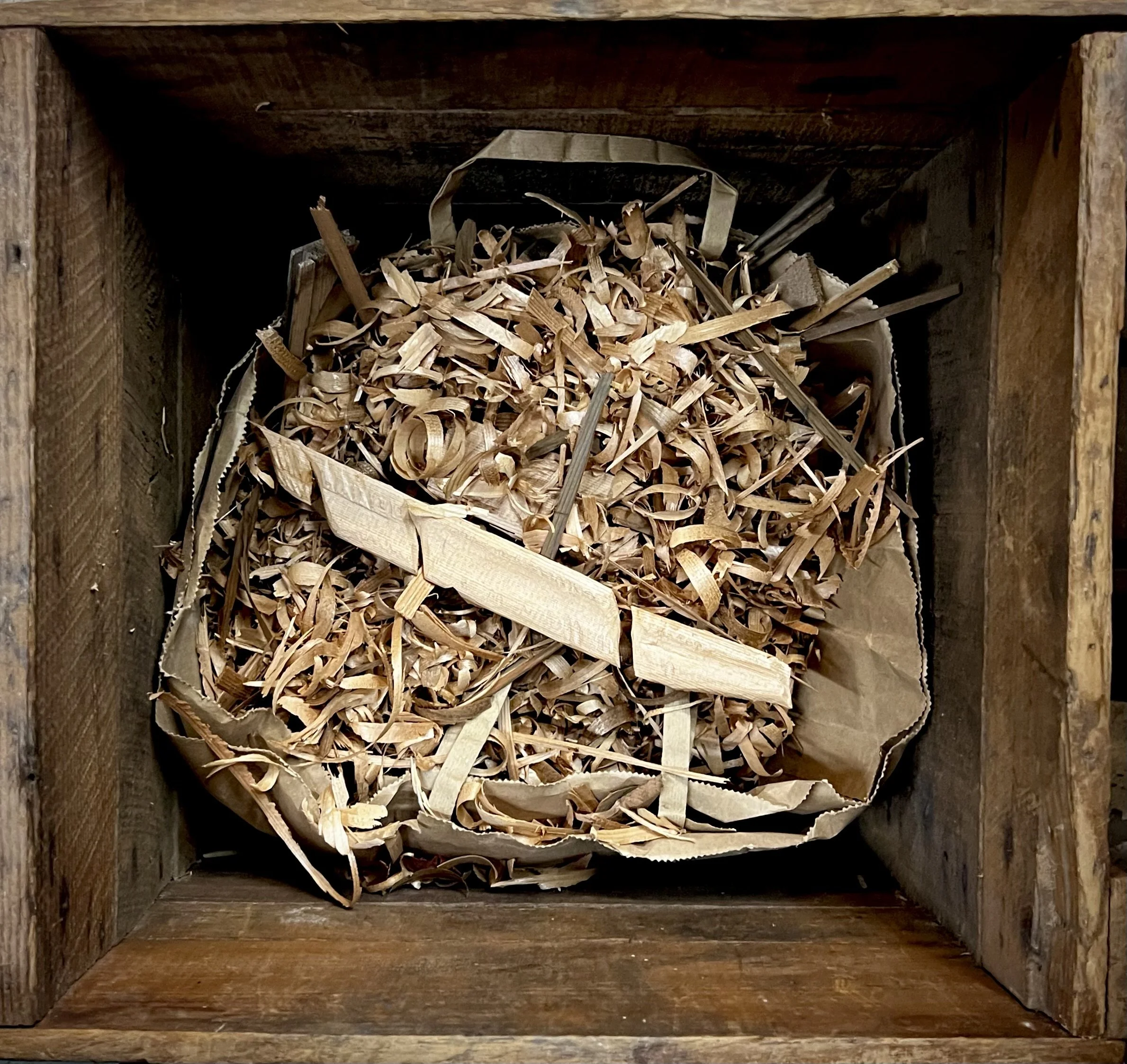
‘What remains’
From The Artists’ Woodshed Studio Retreat
The Principle: The Work Doesn’t End—It Changes Hands
When conditions shift, the nature of the work shifts with it. What was previously about building may now be about protecting. What was scaling may now be about preserving integrity. What was influence may now be about quiet, local impact.
If you hold too tightly to the original form of your contribution, you miss the next one.
The work is still yours… but it may require a different expression.
The shift happens when you stop forcing what was; and begin shaping what is.
Agency: You Are Still Holding the Instrument
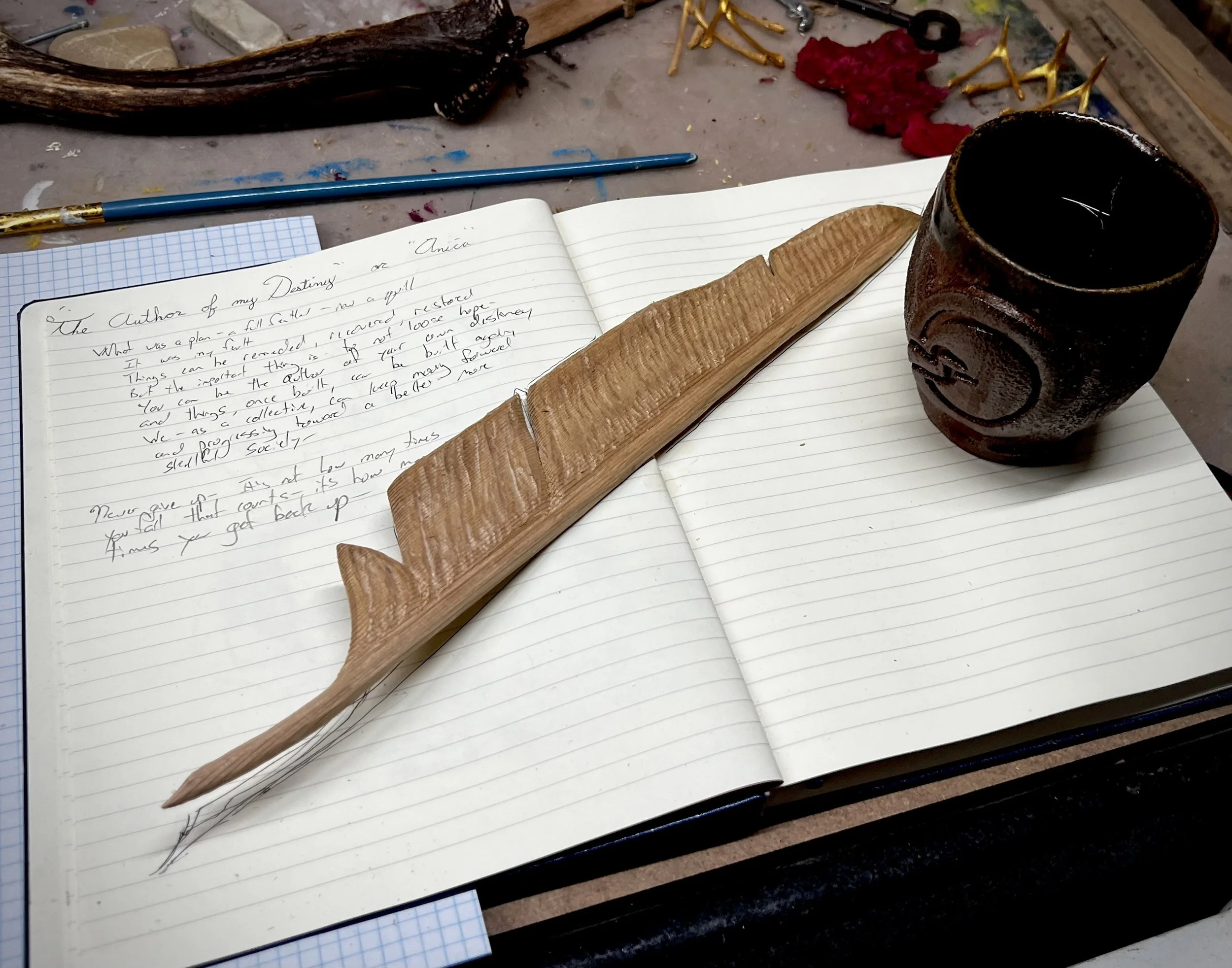
‘From idea to form’
From The Artists’ Woodshed Studio Retreat
Even under constraint (political, institutional, personal) there remains a degree of agency.
Not absolute control. But meaningful influence.
The question is not:
“Can I achieve the original vision exactly as intended?”
The more useful question is:
“Given reality as it is, what can I shape now that is of value?”
This might look like:
Improving the quality of advice, even if it is not always accepted
Strengthening a team’s integrity under pressure
Preserving institutional memory and capability
Creating small pockets of excellence that endure
Supporting others to remain steady and effective
These actions rarely make headlines. They are, however, how systems endure.
The Discipline: Work With What Remains
There is a discipline required here:
Accept the break without denial
Extract the learning without self-deception
Re-engage without cynicism
This is not passive acceptance. It is active adaptation.
In more practical terms:
Stop forcing what no longer holds.
Start shaping what is still possible.
The Long View: Progress Is Not Linear
If you step back far enough, the pattern becomes clearer.
Advances in rights, governance, and social capability have never moved in a straight line.
They move through Expansion, Resistance, Contraction, and Renewal.
Each phase feels definitive when you are inside it. But it isn’t.
The question is not whether setbacks occur… they will.
The question is whether there are people, in those moments, who continue the work.
The Closing Point: Don’t Step Away From the Work
If you are in one of those moments now… where something has broken, stalled, or shifted in ways you didn’t choose; don’t step away too quickly.
Pause, yes. Reassess, absolutely.
But don’t disengage.
Because:
There is still work that matters
There are still people affected by what you do
There are still outcomes that can be shaped
And importantly:
There are still lines that only you, in your position, with your experience, can draw.
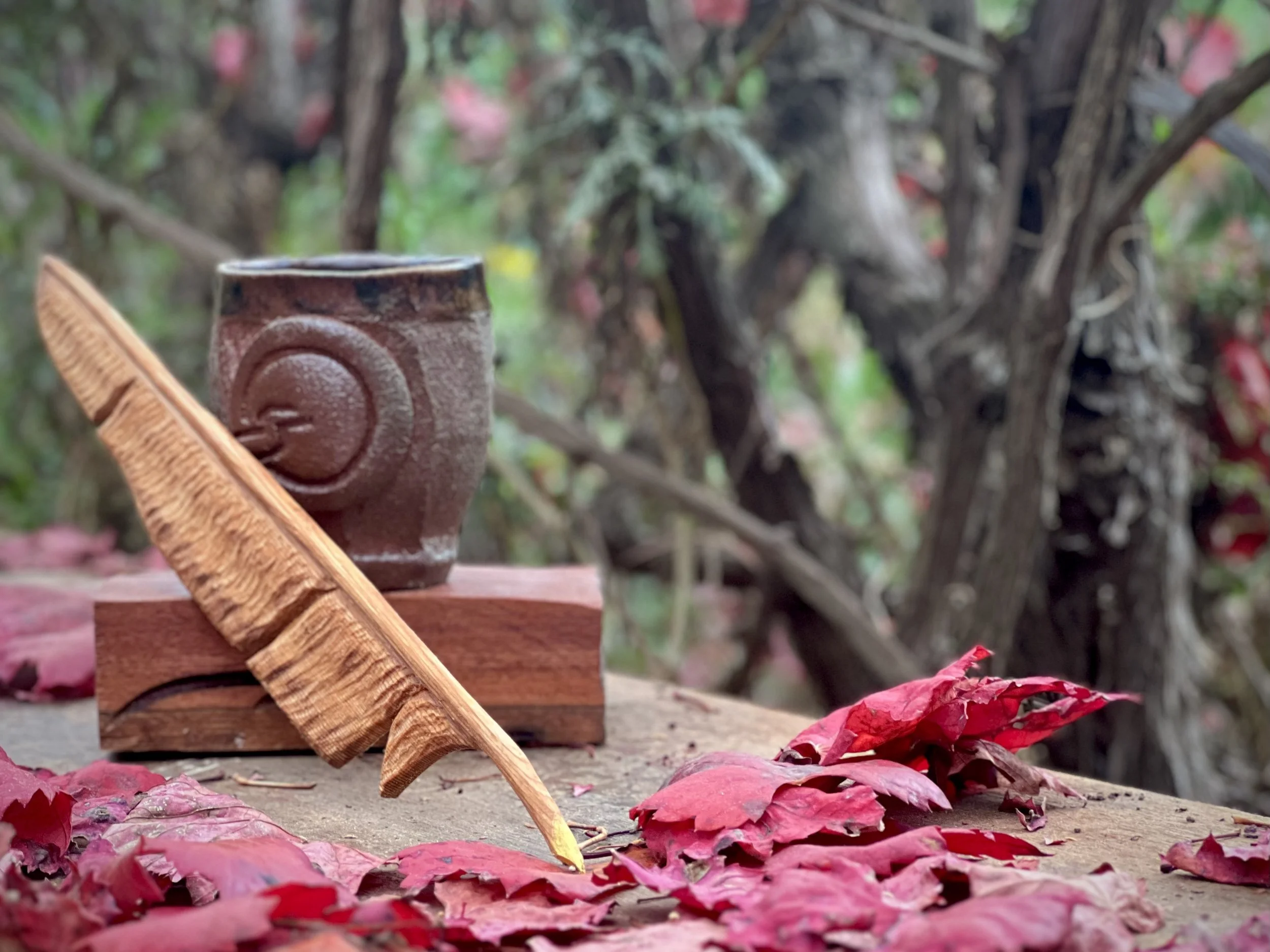
‘The new form
From The Artists’ Woodshed Studio Retreat
Final Reflection
You may not be holding the outcome you intended.
But you are still holding the instrument.
And in complex, imperfect systems… that is enough to continue.